Fort Lauderdale’s bustling commercial and industrial sectors rely heavily on efficient loading dock operations to maintain the flow of goods and materials. These high-traffic areas face unique challenges that demand specialized flooring solutions capable of withstanding constant heavy equipment traffic, chemical spills, temperature fluctuations, and the rigorous demands of daily freight operations. Commercial epoxy loading dock systems have emerged as the premier solution for businesses seeking durable, safe, and cost-effective flooring that can handle the intense operational demands of modern logistics facilities.
The strategic importance of loading dock areas cannot be overstated in today’s competitive business environment. These spaces serve as critical transition zones where goods move between transportation vehicles and warehouse facilities, making them essential components of the supply chain infrastructure. However, the constant movement of forklifts, pallet jacks, delivery trucks, and heavy machinery creates significant wear patterns and stress points that traditional concrete surfaces simply cannot withstand over time. Without proper flooring protection, businesses face escalating maintenance costs, safety hazards, and operational disruptions that directly impact their bottom line.
National Concrete Polishing understands the unique challenges facing Fort Lauderdale businesses and has developed comprehensive commercial loading dock flooring solutions that address both immediate needs and long-term performance requirements. Industrial epoxy systems offer superior protection against the mechanical damage, chemical exposure, and environmental stresses that characterize busy loading dock environments. These advanced coating systems create seamless, non-porous surfaces that resist cracking, chipping, and deterioration while providing enhanced safety features through improved slip resistance and visibility.
The selection of appropriate flooring materials for loading dock applications requires careful consideration of multiple factors including traffic patterns, load requirements, environmental conditions, and operational schedules. Fort Lauderdale’s subtropical climate presents additional challenges with high humidity levels, temperature variations, and potential moisture infiltration that can compromise inferior flooring systems. Professional-grade epoxy formulations specifically designed for industrial applications provide the durability and performance characteristics necessary to maintain operational efficiency while minimizing long-term maintenance requirements and associated costs.
Key Takeaways
Understanding the critical elements of commercial epoxy loading dock systems helps businesses make informed decisions about their flooring investments. The following key points highlight the essential considerations and benefits associated with professional-grade epoxy installations in Fort Lauderdale loading dock environments.
Superior Durability: Commercial epoxy loading dock systems provide exceptional resistance to heavy equipment traffic, impact damage, and mechanical wear that characterizes high-volume freight operations.
Chemical Resistance: Advanced epoxy formulations protect against hydraulic fluids, oils, cleaning chemicals, and other substances commonly encountered in loading dock environments.
Safety Enhancement: Properly installed epoxy systems improve workplace safety through enhanced slip resistance, better lighting reflection, and clearly defined traffic patterns.
Cost Effectiveness: Long-term value proposition includes reduced maintenance costs, extended service life, and minimal operational disruptions compared to traditional flooring options.
Climate Adaptability: Professional-grade systems withstand Fort Lauderdale’s humid subtropical climate and temperature fluctuations without compromising performance.
Rapid Installation: Efficient installation processes minimize business disruption and allow for quick return to normal operations.
Customization Options: Color coding, line striping, and safety markings can be integrated into the flooring system to improve operational efficiency and safety compliance.
Environmental Benefits: Low-VOC formulations and sustainable installation practices support corporate environmental responsibility initiatives.
These advantages combine to create comprehensive flooring solutions that address the multifaceted challenges facing modern loading dock operations while providing measurable returns on investment through improved efficiency, reduced maintenance costs, and enhanced safety performance.
Understanding Commercial Epoxy Loading Dock Requirements
The demanding environment of commercial loading docks requires flooring systems engineered to withstand extraordinary stress levels and operational challenges. Fort Lauderdale’s industrial facilities process thousands of tons of freight annually, creating intense wear patterns that can quickly deteriorate inadequate flooring materials. Commercial epoxy loading dock systems must demonstrate exceptional performance across multiple criteria including compressive strength, abrasion resistance, chemical compatibility, and thermal stability to ensure reliable long-term service.
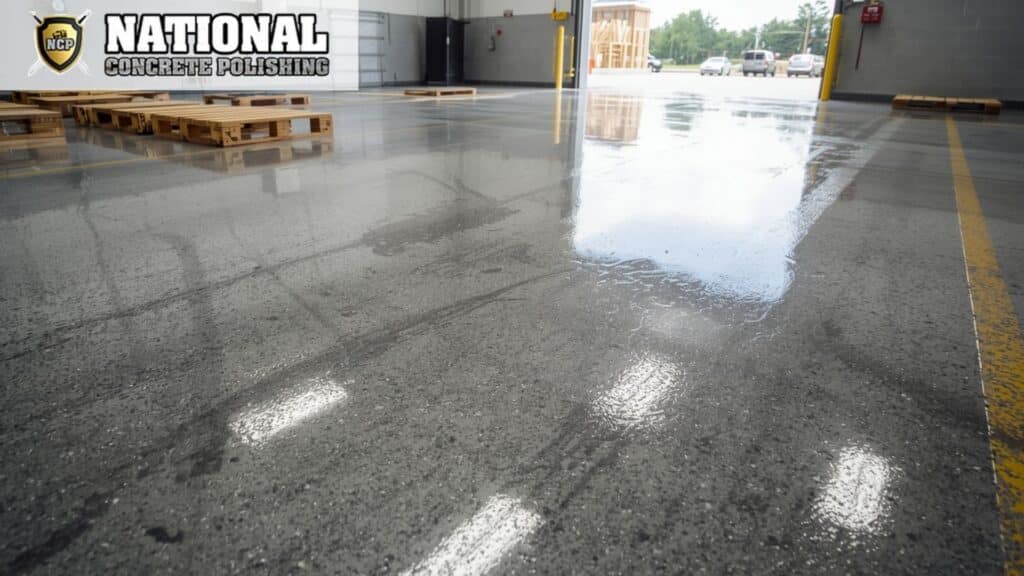
Loading dock areas experience concentrated point loads from forklift wheels, pallet jack casters, and heavy freight containers that can exceed several thousand pounds per square inch. These extreme loading conditions require epoxy formulations with enhanced mechanical properties and specialized aggregate systems that distribute loads effectively across the substrate. Professional-grade commercial loading dock flooring incorporates high-performance resins, carefully graded aggregates, and advanced curing agents that create dense, homogeneous surfaces capable of withstanding repeated heavy impacts without cracking or spalling.
The operational environment within loading dock areas presents additional challenges through exposure to hydraulic fluids, diesel fuel, cleaning chemicals, and various industrial lubricants. Standard concrete surfaces readily absorb these substances, leading to staining, deterioration, and potential safety hazards. Commercial epoxy systems create impermeable barriers that prevent chemical penetration while maintaining structural integrity and appearance standards. The non-porous nature of properly installed epoxy surfaces also facilitates effective cleaning and sanitization procedures essential for facilities handling food products, pharmaceuticals, or other regulated materials.
Temperature cycling represents another critical consideration for Fort Lauderdale loading dock applications. The frequent opening of dock doors exposes flooring systems to rapid temperature changes as conditioned interior air mixes with outdoor ambient conditions. These thermal stresses can cause expansion and contraction cycles that compromise inferior flooring materials through cracking, delamination, or joint failure. High-quality epoxy formulations incorporate flexible polymer components that accommodate thermal movement while maintaining bond integrity and surface continuity.
Installation Process and Best Practices
Successful commercial epoxy loading dock installations require meticulous attention to surface preparation, environmental controls, and application techniques that ensure optimal adhesion and long-term performance. The installation process begins with comprehensive substrate evaluation to identify existing damage, contamination, or structural deficiencies that could compromise the epoxy system. National Concrete Polishing employs advanced diagnostic techniques including moisture testing, surface profiling, and chemical analysis to develop customized preparation protocols for each project.
Surface preparation represents the most critical phase of commercial loading dock flooring installation, as inadequate preparation accounts for the majority of premature system failures. The process typically involves mechanical scarification to remove surface contaminants, open the concrete pore structure, and create the optimal surface profile for epoxy adhesion. Shot blasting, diamond grinding, or scarification techniques remove existing coatings, cure and seal compounds, oils, and other bond-breaking substances while generating the textured surface profile necessary for mechanical adhesion.
Moisture management requires particular attention in Fort Lauderdale’s humid climate, as excessive substrate moisture can prevent proper epoxy curing and lead to adhesion failure or surface defects. Pre-installation moisture testing using calcium chloride or relative humidity methods determines whether additional drying time or moisture mitigation measures are necessary. In cases where elevated moisture levels are detected, specialized primer systems or moisture-blocking technologies may be incorporated to ensure successful installation.
The epoxy application process follows strict protocols regarding mixing ratios, application rates, and environmental conditions to achieve specified performance characteristics. Professional installations utilize precision metering equipment to ensure accurate component ratios, while specialized application tools create uniform film thickness across the entire surface area. Temperature and humidity monitoring throughout the application and curing phases prevents common problems such as solvent entrapment, poor flow characteristics, or inadequate cross-linking that can compromise system performance.
Quality control measures during installation include continuous monitoring of application rates, film thickness measurements, and visual inspection for defects such as bubbles, streaks, or contamination. Multi-coat systems require careful timing between applications to ensure proper inter-coat adhesion while avoiding over-curing that can prevent subsequent coat bonding. The final curing phase requires controlled environmental conditions and adequate time for complete chemical cross-linking before the surface can be returned to service.
Performance Characteristics and Durability Factors
The performance profile of commercial epoxy loading dock systems encompasses multiple engineering properties that directly impact operational efficiency, maintenance requirements, and service life. Compressive strength ratings for high-quality epoxy systems typically exceed 8,000 PSI, providing adequate load-bearing capacity for the heaviest equipment and freight loads encountered in modern logistics operations. This exceptional strength, combined with superior flexural properties, enables the flooring system to withstand dynamic loading conditions without developing stress cracks or surface damage.
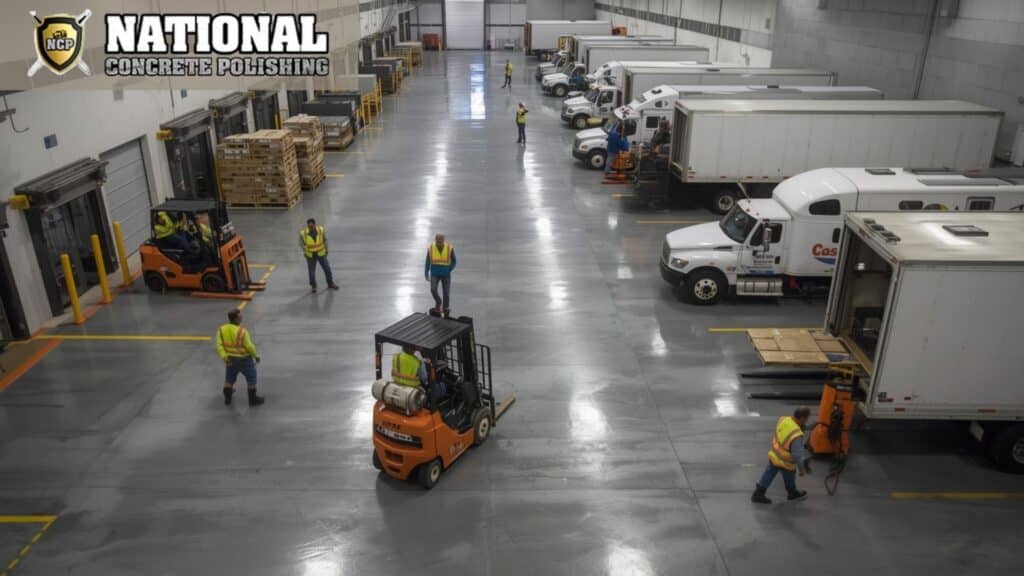
Abrasion resistance represents another critical performance parameter for commercial loading dock flooring, as the constant movement of steel-wheeled equipment creates significant wear patterns over time. Professional-grade epoxy formulations incorporate specialized aggregates and polymer technologies that achieve Taber abrasion ratings suitable for the most demanding industrial applications. The dense, cross-linked structure of properly cured epoxy systems distributes wear forces across the surface area, preventing the concentrated damage patterns that characterize inferior flooring materials.
Chemical resistance properties ensure long-term performance in environments where exposure to hydraulic fluids, petroleum products, cleaning chemicals, and other industrial substances is inevitable. Commercial epoxy systems demonstrate excellent resistance to a broad spectrum of chemicals commonly encountered in loading dock operations, including acids, alkalis, solvents, and petroleum-based products. This chemical immunity prevents substrate contamination, maintains surface integrity, and eliminates the staining and deterioration problems associated with untreated concrete surfaces.
The thermal performance characteristics of commercial loading dock flooring must accommodate the temperature variations typical of Fort Lauderdale’s climate while maintaining structural integrity and appearance standards. High-quality epoxy systems exhibit low thermal expansion coefficients and excellent temperature stability across the range of conditions encountered in loading dock applications. This thermal stability prevents the development of stress cracks, joint separation, or surface distortion that can compromise safety and operational efficiency.
Impact resistance properties enable commercial epoxy loading dock systems to withstand the dropped loads, equipment impacts, and concentrated point loads that characterize busy freight operations. The elastic properties of properly formulated epoxy systems allow for energy absorption and dissipation without permanent deformation or surface damage. This impact resistance, combined with excellent adhesion to the concrete substrate, prevents the chipping, spalling, and delamination problems that plague inferior flooring systems under similar conditions.
Safety Features and Compliance Considerations
Workplace safety represents a paramount concern in loading dock environments where heavy equipment, elevated work platforms, and high-volume freight operations create numerous potential hazards. Commercial epoxy loading dock systems contribute significantly to improved safety performance through enhanced slip resistance, better visibility, and the elimination of surface irregularities that can cause trips, falls, or equipment instability. The seamless nature of properly installed epoxy surfaces eliminates the joints, cracks, and surface variations that characterize traditional concrete flooring and can interfere with equipment operation or create pedestrian hazards.
Slip resistance properties can be customized through the incorporation of specialized aggregates or texturing techniques that provide appropriate traction levels without compromising cleaning efficiency or equipment mobility. The balance between slip resistance and cleanability requires careful consideration of operational requirements, as excessive texture can trap contaminants while insufficient texture may create hazardous conditions during wet or contaminated surface conditions. Professional installations utilize proven aggregate systems and application techniques that achieve optimal traction characteristics for specific operational environments.
Visibility enhancement through improved light reflectance contributes to safer working conditions by reducing shadows, improving equipment operator sight lines, and facilitating better inspection of freight and equipment. The smooth, glossy surface of commercial epoxy systems reflects artificial lighting more effectively than textured concrete surfaces, potentially reducing lighting requirements while improving overall visibility levels. Strategic use of color coding and line striping can further enhance safety by clearly defining traffic patterns, pedestrian walkways, and equipment parking areas.
Compliance with applicable safety regulations and industry standards requires careful attention to material specifications, installation procedures, and performance documentation. OSHA requirements for walking and working surfaces mandate specific slip resistance criteria, while industry standards such as those published by the American Concrete Institute provide guidance on appropriate materials and installation practices. National Concrete Polishing maintains current knowledge of applicable regulations and ensures that all commercial loading dock flooring installations meet or exceed required safety standards.
Fire safety considerations include the use of low-flammability materials and compliance with building code requirements for floor finishes in industrial occupancies. Modern epoxy formulations incorporate fire-retardant additives that limit flame spread and smoke generation while maintaining the performance characteristics essential for loading dock applications. Proper ventilation during installation and curing phases ensures compliance with air quality standards and worker safety requirements for volatile organic compound exposure.
Maintenance Requirements and Long-Term Care
The maintenance profile of commercial epoxy loading dock systems represents a significant advantage over traditional flooring alternatives, offering reduced cleaning requirements, simplified repair procedures, and extended service intervals that minimize operational disruptions. The non-porous surface characteristics of properly installed epoxy systems prevent the absorption of spilled fluids, making cleanup procedures more efficient and effective while reducing the risk of permanent staining or odor retention that can compromise facility hygiene standards.
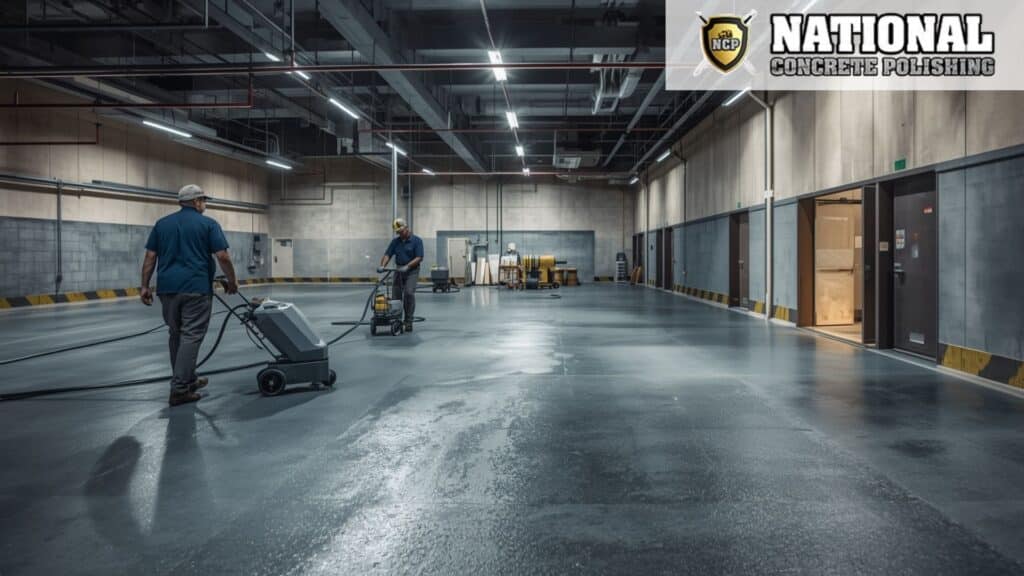
Daily maintenance procedures typically involve routine sweeping to remove debris and periodic damp mopping with appropriate cleaning solutions to maintain appearance and hygiene standards. The chemical resistance properties of commercial epoxy systems permit the use of industrial-strength cleaning products and equipment without concern for surface damage or degradation. Steam cleaning and pressure washing can be employed for deep cleaning applications, providing thorough sanitization capabilities essential for facilities handling food products, pharmaceuticals, or other regulated materials.
Preventive maintenance programs should include regular inspections to identify potential issues before they develop into major problems requiring extensive repairs. Visual inspection protocols focus on identifying wear patterns, surface damage, or areas where contamination may be accumulating. Early identification of minor issues allows for targeted repairs that prevent propagation of damage and maintain the integrity of the overall flooring system. Professional maintenance programs can include scheduled inspections and preventive treatments that extend service life and maintain optimal performance characteristics.
Repair procedures for commercial epoxy loading dock systems are generally straightforward and can often be completed without extensive downtime or disruption to normal operations. Minor surface damage can typically be addressed through localized repairs using compatible materials and proven techniques. More extensive damage may require partial or complete recoating, but the modular nature of epoxy systems allows for phased repairs that minimize operational impact. National Concrete Polishing provides comprehensive maintenance support and repair services to ensure continued optimal performance throughout the system’s service life.
Long-term care strategies should consider the gradual wear patterns that develop over time and plan for systematic renewal or enhancement of high-wear areas. Traffic pattern analysis can identify areas requiring additional protection or more frequent maintenance attention. Periodic recoating of high-wear zones can extend overall system life while maintaining uniform appearance and performance standards. Strategic planning for major maintenance activities during scheduled downtime minimizes disruption while ensuring continued optimal performance.
Frequently Asked Questions
How long does commercial epoxy loading dock flooring last in high-traffic environments?
Properly installed commercial epoxy loading dock systems typically provide 10-15 years of reliable service in high-traffic environments when maintained according to professional recommendations. The actual service life depends on factors including traffic volume, load characteristics, maintenance practices, and environmental conditions. National Concrete Polishing uses premium materials and proven installation techniques to maximize system longevity.
What is the typical installation timeline for a loading dock epoxy project?
Installation timelines vary based on project size and complexity, but most commercial loading dock flooring projects can be completed within 3-7 days including surface preparation, application, and curing time. Larger facilities may require phased installations to minimize operational disruption. Weather conditions and substrate requirements can influence scheduling, particularly in Fort Lauderdale’s humid climate.
Can epoxy flooring be installed over existing concrete surfaces?
Yes, commercial epoxy systems can be successfully installed over existing concrete surfaces provided the substrate is structurally sound and properly prepared. Surface preparation requirements include removal of existing coatings, contaminants, and damaged concrete, followed by appropriate profiling to ensure optimal adhesion. Professional evaluation determines the specific preparation requirements for each project.
How does Fort Lauderdale’s climate affect epoxy flooring performance?
Fort Lauderdale’s humid subtropical climate requires careful attention to moisture management and material selection to ensure optimal performance. Professional-grade epoxy systems are formulated to withstand high humidity, temperature variations, and moisture exposure common in the region. Proper installation techniques and environmental controls during application prevent climate-related performance issues.
What safety certifications and standards apply to commercial loading dock flooring?
Commercial loading dock flooring must comply with OSHA requirements for walking and working surfaces, including specific slip resistance criteria. Additional standards may include ACI guidelines for concrete surface preparation and coating systems, as well as building code requirements for floor finishes in industrial occupancies. Professional installations ensure compliance with all applicable standards.
How do maintenance costs compare between epoxy and traditional concrete flooring?
Commercial epoxy loading dock systems typically reduce maintenance costs by 40-60% compared to untreated concrete surfaces through simplified cleaning procedures, reduced repair requirements, and extended service intervals. The non-porous surface prevents absorption of spills and contaminants, making cleaning more efficient while eliminating staining and odor problems associated with concrete.
Can existing damaged concrete be repaired before epoxy installation?
Yes, damaged concrete can be repaired using appropriate patching compounds and techniques before epoxy installation. Common repairs include crack filling, spall repair, and joint sealing to create a sound substrate for the epoxy system. Professional evaluation determines the extent of repairs needed and ensures compatibility between repair materials and the epoxy coating system.
What customization options are available for commercial loading dock flooring?
Customization options include color selection, line striping for traffic patterns, safety markings, logo incorporation, and specialized texturing for specific traction requirements. Slip-resistant additives can be incorporated to achieve desired safety characteristics, while chemical-resistant formulations can be selected based on specific exposure requirements. Professional consultation ensures optimal customization for each application.
Conclusion
Commercial epoxy loading dock systems represent the optimal flooring solution for Fort Lauderdale businesses seeking durable, safe, and cost-effective surfaces that can withstand the rigorous demands of modern freight operations. The combination of superior mechanical properties, chemical resistance, and environmental adaptability makes professional-grade epoxy systems the clear choice for facilities requiring reliable long-term performance under challenging operational conditions. National Concrete Polishing’s expertise in commercial loading dock flooring ensures that businesses receive customized solutions that address their specific requirements while providing measurable returns on investment.
The comprehensive benefits of commercial epoxy loading dock installations extend beyond immediate performance improvements to include enhanced safety, reduced maintenance costs, and improved operational efficiency that directly impacts business profitability. The seamless, non-porous surfaces facilitate effective cleaning and sanitization while providing the slip resistance and visibility enhancement essential for safe equipment operation. These safety improvements, combined with the durability and chemical resistance characteristics of professional-grade epoxy systems, create work environments that support both productivity and worker protection.
Investment in quality commercial loading dock flooring represents a strategic decision that affects multiple aspects of business operations including maintenance costs, safety performance, regulatory compliance, and operational efficiency. The long-term value proposition of professional epoxy installations includes extended service life, reduced downtime, and lower total cost of ownership compared to alternative flooring solutions. Fort Lauderdale businesses that prioritize operational excellence and long-term value will find that commercial epoxy loading dock systems provide the performance, durability, and reliability necessary to support their continued growth and success in an increasingly competitive marketplace.
source https://nationalconcretepolishing.net/commercial-epoxy-loading-dock/


No comments:
Post a Comment