South Florida’s commercial real estate landscape has undergone a remarkable transformation in recent years, with office buildings embracing innovative design elements that combine functionality with striking visual appeal. Among the most impressive trends gaining momentum is the implementation of concrete polishing office lobby installations that create breathtaking first impressions for visitors and employees alike. These sophisticated flooring solutions have revolutionized how businesses approach their entrance areas, moving far beyond traditional carpeting or basic tile work to embrace the industrial elegance of polished concrete surfaces.
The appeal of polished concrete in office lobbies extends well beyond its undeniable aesthetic charm. Property managers and business owners throughout Miami, Fort Lauderdale, West Palm Beach, and surrounding areas have discovered that these surfaces offer an exceptional combination of durability, cost-effectiveness, and design versatility that simply cannot be matched by conventional flooring materials. The reflective properties of properly executed polished concrete office flooring create an illusion of expanded space while maximizing the impact of both natural and artificial lighting systems.
What makes South Florida particularly well-suited for polished concrete lobby installations is the region’s architectural heritage and climate considerations. The area’s industrial past, combined with its modern embrace of minimalist design principles, creates the perfect backdrop for these sophisticated surfaces. Additionally, the humid subtropical climate that characterizes much of South Florida makes polished concrete an ideal choice, as these surfaces resist moisture-related issues that can plague other flooring materials in high-humidity environments.
The transformation of office lobbies through concrete polishing represents more than just a design trend; it reflects a fundamental shift in how businesses view their physical spaces as extensions of their brand identity. Companies are increasingly recognizing that their lobby areas serve as powerful marketing tools, creating immediate impressions that can influence everything from client relationships to employee morale. A expertly polished concrete surface communicates professionalism, attention to detail, and forward-thinking design sensibilities that resonate with modern business culture.
Key Takeaways
Enhanced Professional Image: Polished concrete lobbies create an immediate impression of sophistication and attention to detail, helping businesses establish credibility with clients and visitors from the moment they enter the space.
Superior Durability: Unlike traditional flooring materials that may show wear patterns or require frequent replacement, properly installed polished concrete surfaces can withstand decades of heavy foot traffic while maintaining their lustrous appearance.
Cost-Effective Long-Term Solution: While the initial investment in concrete polishing may be comparable to premium flooring alternatives, the minimal maintenance requirements and exceptional longevity make it one of the most economical choices over the life of the installation.
Light Enhancement Properties: The reflective nature of polished concrete significantly amplifies both natural and artificial lighting, reducing energy costs while creating brighter, more welcoming lobby environments.
Customization Flexibility: Modern concrete polishing techniques allow for extensive customization through decorative aggregates, integral coloring, saw-cut patterns, and various sheen levels to match specific design visions.
Environmental Sustainability: Polished concrete utilizes existing concrete slabs in most cases, reducing waste and environmental impact while eliminating the need for additional flooring materials that may contain harmful chemicals or require resource-intensive manufacturing processes.
Low Maintenance Requirements: Regular maintenance consists primarily of dust mopping and occasional damp cleaning, eliminating the need for expensive carpet cleaning, waxing, or refinishing procedures required by other flooring types.
Climate Compatibility: South Florida’s humid conditions are perfectly suited for polished concrete, which resists moisture-related problems such as mold, mildew, or dimensional changes that can affect other flooring materials.
The Rise of Polished Concrete in South Florida Commercial Spaces
The evolution of polished concrete from industrial warehouses to sophisticated office environments represents one of the most significant shifts in commercial flooring trends over the past two decades. South Florida has emerged as a leader in this transformation, with cities like Miami, Fort Lauderdale, and West Palm Beach showcasing some of the most impressive examples of concrete polishing office lobby installations in the country. This regional leadership stems from several factors, including the area’s strong construction industry, design-forward business culture, and practical considerations related to the local climate.
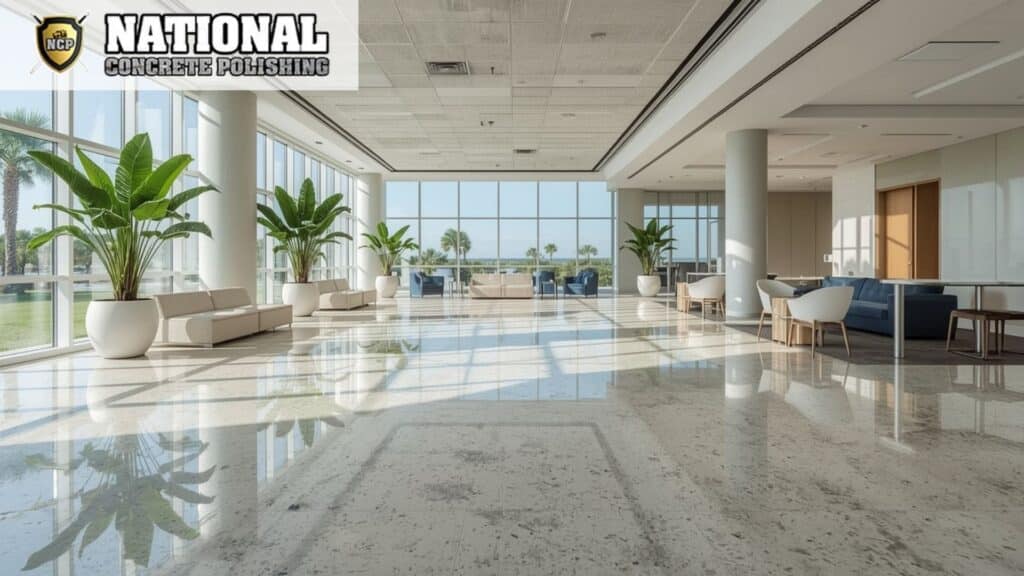
The technical advancement in concrete polishing equipment and techniques has played a crucial role in this transformation. Modern diamond grinding systems can achieve mirror-like finishes that were previously impossible, while new densification and sealing technologies ensure that these surfaces maintain their appearance and performance characteristics over extended periods. These technological improvements have made it possible to create lobby floors that rival the most luxurious natural stone installations while offering superior performance characteristics.
South Florida’s architectural landscape provides an ideal canvas for polished concrete applications. The region’s embrace of contemporary design principles, combined with its industrial heritage, creates environments where polished concrete feels both natural and sophisticated. Many of the area’s most prestigious office buildings have incorporated these surfaces not just in their lobbies, but throughout their common areas, creating cohesive design narratives that speak to modern sensibilities.
The economic advantages of choosing polished concrete for office lobbies have not gone unnoticed by property developers and managers in the region. With South Florida’s competitive commercial real estate market, building owners are constantly seeking ways to differentiate their properties while controlling operational costs. Polished concrete delivers on both fronts, providing distinctive visual appeal that helps attract and retain tenants while minimizing long-term maintenance expenses.
Design Versatility and Aesthetic Options
One of the most compelling aspects of implementing polished concrete office flooring in lobby applications is the remarkable range of aesthetic possibilities available to designers and property owners. Unlike many flooring materials that offer limited customization options, polished concrete can be tailored to complement virtually any design vision, from ultra-modern minimalist spaces to warm, inviting environments that incorporate natural elements and textures.
The customization process begins with the selection of aggregate exposure levels, which can range from minimal cream finishes that showcase the concrete’s natural paste to full aggregate exposure that reveals the beauty of the stone and sand components within the mix. This fundamental choice significantly impacts the final appearance, with cream finishes offering subtle, sophisticated looks that work well in formal business environments, while aggregate exposure creates more dynamic, textured surfaces that can serve as focal points within the lobby design.
Color integration represents another powerful customization tool, with options ranging from integral coloring that permeates the entire concrete matrix to topical staining systems that can create everything from subtle earth tones to bold, contemporary hues. South Florida’s vibrant cultural landscape has inspired many creative color applications, with some lobbies incorporating blues and greens that echo the region’s coastal environment, while others embrace warmer palettes that reflect the area’s Latin influences.
Decorative saw-cutting and pattern creation add another dimension to polished concrete lobby designs. These techniques can be used to create geometric patterns, company logos, or architectural details that enhance the overall design concept. The precision achievable with modern concrete cutting equipment allows for intricate designs that would be impossible or prohibitively expensive with other flooring materials. Some South Florida office lobbies have incorporated compass roses, wave patterns, or other regionally inspired motifs that create unique visual signatures for their buildings.
The selection of sheen levels provides yet another avenue for customization, with options ranging from low-sheen satin finishes that offer subtle elegance to high-gloss surfaces that create dramatic mirror-like reflections. The choice of sheen level significantly impacts both the aesthetic character of the space and its practical performance, with higher sheens offering superior stain resistance and easier maintenance, while lower sheens may be preferred in environments where glare reduction is a priority.
The seamless nature of polished and decorative concrete creates opportunities for large-scale design elements that would be impossible with tile or other segmented flooring materials. Flowing patterns, gradual color transitions, and expansive decorative elements can span entire lobby spaces without interruption, creating powerful visual statements that enhance the overall business environment.
Performance Benefits and Practical Advantages
The practical performance characteristics of polished concrete make it an exceptionally well-suited choice for high-traffic office lobby applications throughout South Florida. These benefits extend far beyond aesthetic considerations, encompassing durability, maintenance efficiency, indoor air quality improvements, and long-term cost effectiveness that make polished concrete an intelligent investment for commercial property owners and managers.
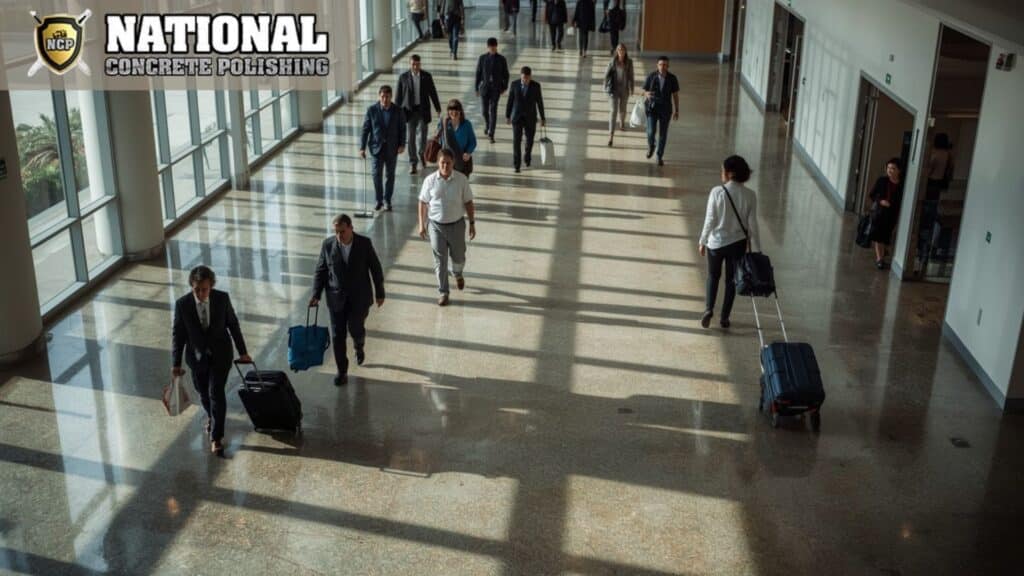
Durability stands as perhaps the most significant practical advantage of concrete polishing office lobby installations. Properly executed polished concrete surfaces can withstand decades of heavy foot traffic, rolling loads from delivery carts and maintenance equipment, and the occasional impact from furniture or equipment movement without showing significant wear patterns. This exceptional durability is particularly valuable in South Florida’s busy commercial environment, where office buildings may experience constant traffic from employees, visitors, delivery personnel, and maintenance staff.
The maintenance efficiency of polished concrete represents a substantial operational advantage for building managers. Unlike carpeted surfaces that require regular deep cleaning, shampooing, and eventual replacement, or resilient flooring that may need periodic stripping and refinishing, polished concrete maintenance consists primarily of regular dust mopping and occasional damp cleaning with neutral pH cleaners. This simplified maintenance regimen not only reduces labor costs but also minimizes disruption to building operations, as there are no extended periods required for carpet drying or floor refinishing.
Indoor air quality benefits provide another compelling reason for choosing polished concrete in office environments. Unlike carpeting, which can harbor allergens, dust mites, and other contaminants, polished concrete surfaces are inherently hygienic and easy to clean thoroughly. This characteristic is particularly valuable in South Florida’s humid climate, where moisture-related air quality issues can be problematic with certain flooring materials. The absence of adhesives, backing materials, or fiber components eliminates potential sources of volatile organic compounds (VOCs) that can negatively impact indoor air quality.
Energy efficiency considerations add another layer of practical benefit to polished concrete lobby installations. The light-reflective properties of these surfaces can significantly reduce artificial lighting requirements, particularly in lobbies with access to natural light through windows or skylights. This lighting enhancement effect not only reduces energy consumption but also creates brighter, more welcoming environments that can positively impact the mood and productivity of building occupants.
Climate compatibility represents a crucial advantage in South Florida’s challenging environmental conditions. The region’s high humidity levels, occasional flooding risks, and temperature fluctuations can create problems for many flooring materials, but polished concrete thrives in these conditions. The surface’s resistance to moisture penetration prevents mold and mildew growth, while its thermal mass helps moderate temperature fluctuations and reduce HVAC loads.
Installation Process and Technical Considerations
The successful implementation of polished concrete office flooring in lobby applications requires careful attention to technical details and proper execution of specialized installation procedures. Understanding these processes helps property owners and managers make informed decisions about their flooring investments while ensuring optimal results that will provide years of reliable performance and aesthetic appeal.
The installation process typically begins with a thorough assessment of the existing concrete substrate, which may involve core sampling, moisture testing, and evaluation of the concrete’s composition and condition. This preliminary analysis is crucial for determining the appropriate polishing approach, as factors such as concrete age, mix design, and existing surface treatments can significantly impact the final results. In many South Florida office buildings, the existing concrete slabs provide excellent foundations for polishing, but proper evaluation ensures that any necessary preparatory work is identified and addressed before the polishing process begins.
Surface preparation represents a critical phase that often determines the success of the entire project. This may involve removing existing floor coverings, repairing cracks or surface defects, and addressing any contamination or staining that could interfere with the polishing process. In some cases, existing concrete surfaces may require grinding to remove surface laitance or to achieve the desired aggregate exposure level. The preparation phase also includes the installation of any decorative elements such as saw-cut patterns or divider strips that will be incorporated into the final design.
The actual polishing process involves a systematic progression through increasingly fine diamond grinding and polishing steps, typically starting with coarse metal-bonded diamonds and progressing through multiple stages to achieve the desired finish quality. Between the grinding and polishing phases, concrete densification treatments are applied to strengthen the surface and reduce porosity, ensuring optimal performance and appearance retention. This densification process is particularly important in high-traffic lobby applications where the surface must withstand constant use while maintaining its lustrous appearance.
Quality control throughout the installation process involves regular testing and inspection to ensure that each phase meets specified standards before proceeding to the next step. This includes monitoring surface flatness, checking for uniform sheen development, and verifying that the desired aggregate exposure levels are being achieved consistently across the entire lobby area. Professional contractors like National Concrete Polishing understand the importance of these quality control measures in delivering results that meet or exceed client expectations.
The final phases of installation typically include the application of protective treatments or topical sealers, depending on the specific performance requirements and aesthetic goals of the project. These treatments can enhance stain resistance, improve cleanability, and provide additional protection against wear and chemical exposure. The selection of appropriate protective systems requires consideration of factors such as traffic levels, maintenance capabilities, and long-term performance expectations.
Maintenance and Long-Term Care Strategies
Proper maintenance of polished concrete lobby installations is essential for preserving their appearance and performance characteristics over the long term. Fortunately, the maintenance requirements for concrete polishing office lobby surfaces are significantly less demanding than those associated with many alternative flooring materials, making them particularly attractive for busy commercial environments where minimizing operational disruption is a priority.
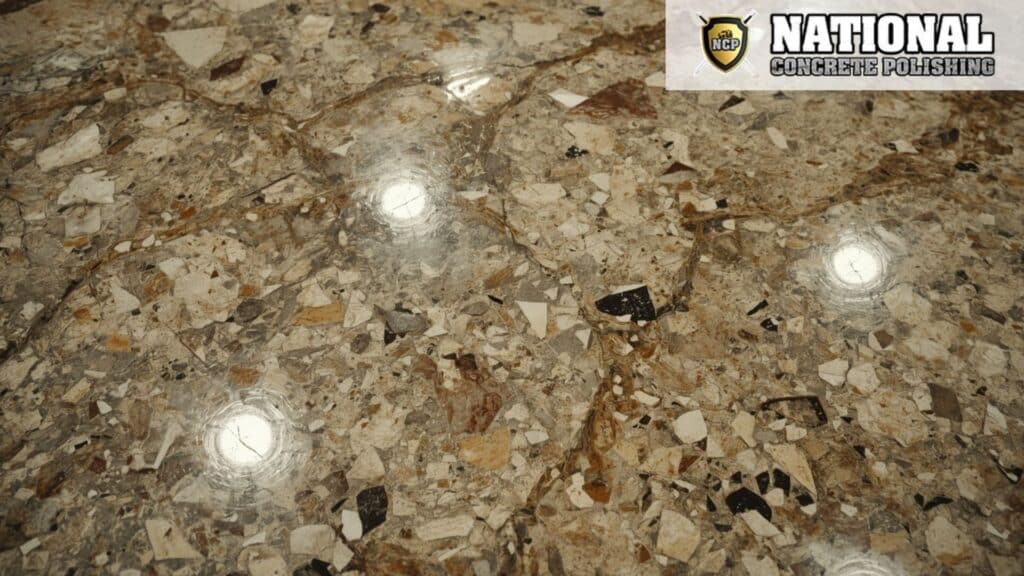
Daily maintenance routines for polished concrete lobbies are remarkably straightforward, typically consisting of dust mopping or sweeping to remove loose dirt and debris that could potentially scratch the surface if allowed to accumulate. The frequency of this basic maintenance depends on traffic levels and environmental conditions, but most office lobbies benefit from daily dust mopping during peak occupancy periods. The use of microfiber dust mops is particularly effective, as these tools can capture fine particles without requiring chemical treatments or creating dust clouds that could affect indoor air quality.
Periodic wet cleaning enhances the appearance and hygiene of polished concrete surfaces while removing any residual soiling that cannot be addressed through dry maintenance alone. This process typically involves the use of neutral pH cleaners specifically formulated for polished concrete, applied through auto-scrubber equipment or traditional mop and bucket methods depending on the size and configuration of the lobby area. The key to effective wet cleaning is using appropriate cleaning solutions that will not interfere with the concrete’s surface chemistry or protective treatments.
Preventive maintenance measures can significantly extend the service life and appearance retention of polished concrete lobby installations. These strategies include the placement of appropriate entrance matting systems to capture soil and moisture before it reaches the polished surface, prompt cleanup of spills to prevent potential staining, and periodic inspection for signs of wear or damage that might require professional attention. High-quality entrance matting is particularly important in South Florida’s climate, where rain and humidity can create challenging conditions for maintaining pristine lobby environments.
Professional maintenance services may be required periodically to address issues that cannot be resolved through routine cleaning procedures. These services might include deep cleaning to remove stubborn stains, repolishing of high-wear areas to restore uniform sheen levels, or application of additional protective treatments to enhance performance characteristics. The frequency of professional maintenance varies depending on traffic levels, environmental conditions, and the specific performance requirements of the installation, but most office lobbies benefit from professional attention on an annual or semi-annual basis.
Long-term care planning should also consider the potential need for restoration services if the polished surface experiences significant wear or damage over time. One of the significant advantages of polished concrete is that these surfaces can often be restored to like-new condition through repolishing procedures, eliminating the need for complete floor replacement that would be required with many other flooring materials. This restoration capability provides excellent long-term value and helps ensure that the lobby maintains its impressive appearance throughout the building’s operational life.
Frequently Asked Questions
How long does the concrete polishing process take for an office lobby?
The timeline for polishing an office lobby typically ranges from 3-7 days, depending on the size of the space, the condition of the existing concrete, and the desired finish level. Smaller lobbies may be completed in 2-3 days, while larger or more complex projects requiring extensive preparation or decorative elements may take up to two weeks.
Can polished concrete be installed over existing flooring materials?
In most cases, existing flooring materials must be removed to access the concrete substrate beneath. However, in some situations where the existing concrete is unsuitable for polishing, a new concrete overlay can be installed and then polished to achieve the desired results.
How does polished concrete perform in South Florida’s humid climate?
Polished concrete performs exceptionally well in humid conditions, as it resists moisture penetration and does not support mold or mildew growth. The surface’s thermal mass also helps moderate temperature fluctuations and can contribute to improved HVAC efficiency.
What is the expected lifespan of a polished concrete lobby floor?
With proper maintenance, polished concrete lobby floors can last 20-30 years or more while maintaining their appearance and performance characteristics. The surface can often be restored through repolishing procedures if wear becomes noticeable over time.
Are there slip resistance concerns with polished concrete in lobby areas?
Modern polishing techniques can achieve appropriate slip resistance levels for lobby applications while maintaining attractive aesthetics. The specific finish level and any texturing treatments can be adjusted to meet safety requirements while preserving the desired appearance.
How does the cost of polished concrete compare to other premium flooring options?
While initial installation costs may be comparable to other premium flooring materials, the long-term value proposition of polished concrete is typically superior due to minimal maintenance requirements and exceptional durability.
Can company logos or decorative patterns be incorporated into polished concrete lobbies?
Yes, various decorative techniques including saw-cutting, integral coloring, and aggregate selection can be used to create custom patterns, logos, or other design elements within polished concrete surfaces.
What maintenance equipment is needed for polished concrete lobby floors?
Basic maintenance requires only standard cleaning equipment such as microfiber dust mops and auto-scrubbers or conventional mops. Specialized polished concrete cleaners may be recommended, but the equipment requirements are minimal compared to other flooring types.
Conclusion
The transformation of South Florida office lobbies through professional concrete polishing represents a convergence of aesthetic sophistication, practical performance, and long-term value that few other flooring solutions can match. As businesses throughout the region continue to recognize the importance of creating impressive first impressions while managing operational costs effectively, polished concrete office flooring has emerged as the preferred choice for discerning property owners and managers.
The success of these installations depends heavily on working with experienced professionals who understand both the technical aspects of concrete polishing and the unique requirements of commercial lobby environments. Companies like National Concrete Polishing bring the expertise and attention to detail necessary to deliver results that exceed expectations while ensuring long-term performance and satisfaction.
For South Florida businesses considering lobby renovations or new construction projects, polished concrete offers an opportunity to create spaces that truly reflect their commitment to quality and innovation. The combination of stunning visual appeal, exceptional durability, and minimal maintenance requirements makes this flooring choice an investment in both immediate impact and long-term success. As the region continues to evolve and grow, polished concrete lobbies will undoubtedly remain at the forefront of commercial design trends, providing the foundation for impressive business environments that stand the test of time.
source https://nationalconcretepolishing.net/concrete-polishing-office-lobby/


No comments:
Post a Comment