When planning an epoxy floor installation in Miami, one of the most critical preparatory steps is the complete removal of existing tile flooring. This process requires specialized expertise, proper equipment, and meticulous attention to detail to ensure the concrete substrate is properly prepared for the new epoxy coating. Floor removal tile Miami services have become increasingly essential as property owners recognize the superior durability, aesthetics, and maintenance benefits that epoxy flooring systems provide over traditional tile installations.
The humid subtropical climate of Miami presents unique challenges for flooring systems, making epoxy an increasingly popular choice for both residential and commercial applications. However, the success of any epoxy installation heavily depends on the quality of surface preparation, which begins with the complete and proper removal of existing tile materials. Whether dealing with ceramic, porcelain, natural stone, or vinyl tiles, each material type requires specific removal techniques and considerations to avoid damaging the underlying concrete substrate.
Professional tile removal services Miami providers understand that improper removal techniques can compromise the entire epoxy installation project. Surface contamination, adhesive residue, uneven substrate conditions, and micro-fractures in the concrete can all result from inadequate removal processes. These issues can lead to poor epoxy adhesion, premature coating failure, and costly remediation work. Therefore, investing in professional tile removal services is not just recommended but essential for achieving long-lasting, high-quality epoxy flooring results.
The tile removal process involves multiple phases, including initial assessment, protective measures, mechanical removal, adhesive elimination, surface cleaning, and final preparation. Each phase requires specific tools, techniques, and safety protocols to ensure worker safety and project success. Additionally, Miami’s strict environmental regulations regarding dust control, debris disposal, and noise management must be carefully observed throughout the removal process.
Modern tile removal techniques have evolved significantly, incorporating advanced equipment such as ride-on floor scrapers, walk-behind tile removers, oscillating tools, and dust containment systems. These technological advances have dramatically improved removal efficiency while reducing project timelines and minimizing disruption to occupied spaces. Professional contractors also utilize moisture meters, concrete scanners, and surface profiling equipment to assess substrate conditions and ensure optimal preparation for epoxy application.
Key Takeaways
Understanding the essential aspects of tile removal before epoxy installation ensures project success and long-term performance. Professional tile removal services provide numerous advantages over DIY approaches, including specialized equipment access, technical expertise, safety compliance, and quality assurance. The investment in professional services typically results in superior outcomes and often proves more cost-effective when considering potential complications from improper removal techniques.
Complete tile and adhesive removal is mandatory for proper epoxy adhesion and prevents coating failure.
Professional equipment significantly reduces project time and improves removal quality compared to manual methods.
Surface preparation standards must meet specific profile requirements for optimal epoxy bonding.
Miami’s environmental regulations require proper dust control and debris disposal protocols.
Different tile types require specialized removal techniques and tools for optimal results.
Substrate assessment and repair may be necessary before epoxy application can proceed.
Professional contractors provide warranties and insurance coverage for removal work.
Proper removal techniques preserve concrete integrity and prevent costly substrate damage.
Timeline coordination between removal and epoxy installation prevents delays and additional costs.
Quality removal work directly impacts the longevity and performance of the final epoxy system.
The complexity of tile removal projects varies significantly based on tile type, adhesive systems, substrate conditions, and project scope. Ceramic and porcelain tiles typically require different removal approaches than natural stone or luxury vinyl tiles. Similarly, adhesive systems range from traditional cement-based mortars to modern polymer-modified adhesives, each presenting unique removal challenges. Professional contractors assess these variables during initial project evaluation to develop appropriate removal strategies and provide accurate project timelines and cost estimates.
Overview of Tile Removal Process
The tile removal process begins with a comprehensive site assessment to evaluate existing conditions, identify potential challenges, and develop an appropriate removal strategy. Professional contractors examine tile types, adhesive systems, substrate conditions, and environmental factors that may impact the removal process. This assessment phase is crucial for determining the most effective removal methods, estimating project timelines, and identifying any special requirements for dust control or debris disposal.

Site preparation involves establishing protective barriers, implementing dust containment systems, and ensuring proper ventilation throughout the work area. Miami’s humid climate requires special attention to moisture control and air circulation to prevent condensation issues during the removal process. Professional contractors utilize negative air machines, plastic sheeting, and temporary ventilation systems to maintain air quality and protect adjacent areas from dust and debris contamination.
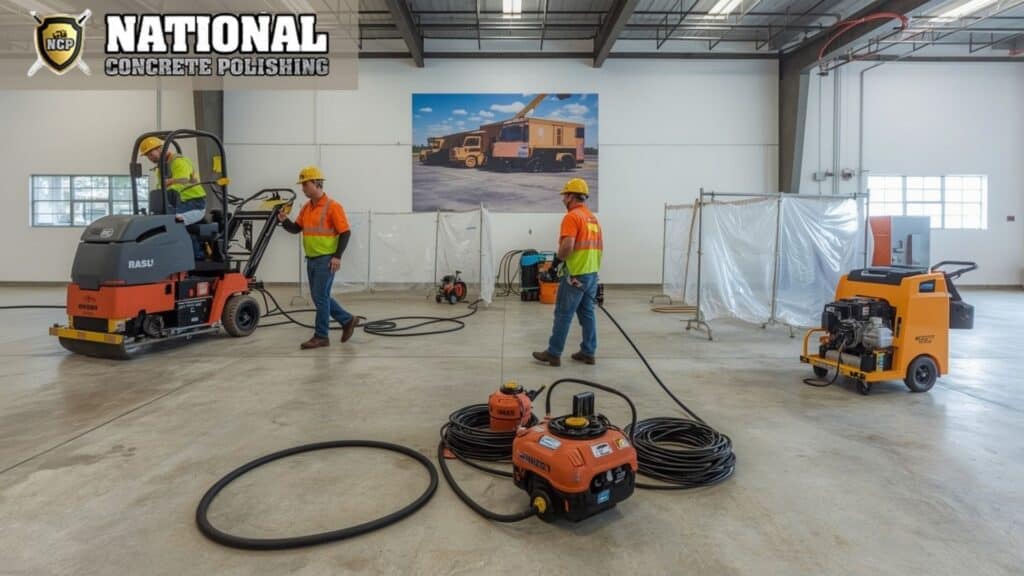
The actual tile removal process typically begins with scoring and breaking tiles to create manageable sections for removal. Professional contractors use specialized tools such as hammer drills, chisels, and pneumatic breakers to efficiently break tile bonds without damaging the underlying concrete. Walk-behind and ride-on floor scrapers then remove tiles and adhesive materials in a systematic pattern that maximizes efficiency while maintaining consistent substrate conditions.
Adhesive removal represents one of the most challenging aspects of the tile removal process. Different adhesive systems require specific removal techniques, ranging from mechanical scraping to chemical softening and thermal methods. Professional contractors select appropriate removal methods based on adhesive type, substrate conditions, and project requirements. Complete adhesive removal is essential for proper epoxy adhesion and prevents future coating problems.
Surface cleaning and final preparation complete the tile removal process. This phase involves thorough cleaning to remove all debris, dust, and contaminants that could interfere with epoxy adhesion. Professional contractors use industrial vacuum systems, pressure washing equipment, and specialized cleaning solutions to achieve the cleanliness standards required for epoxy installation. Surface profiling may also be necessary to achieve the proper texture for optimal epoxy bonding.
Equipment and Techniques for Professional Tile Removal
Modern tile removal projects rely heavily on specialized equipment designed to maximize efficiency while minimizing substrate damage. Ride-on floor scrapers represent the gold standard for large-area tile removal, providing consistent pressure and removal rates that far exceed manual methods. These machines feature adjustable blade angles, variable speed controls, and sophisticated weight distribution systems that optimize removal performance across different tile and adhesive combinations.
Walk-behind tile removal machines offer excellent maneuverability for smaller areas and spaces with limited access. These units typically feature oscillating or reciprocating blade actions that effectively break tile bonds while preserving concrete integrity. Professional contractors select blade types and configurations based on specific tile materials and adhesive systems encountered in each project. Carbide-tipped blades excel for ceramic and porcelain removal, while diamond blades prove more effective for natural stone applications.
Pneumatic tools play a crucial role in detail work and areas inaccessible to larger equipment. Jackhammers, chipping hammers, and needle scalers provide precise control for removing stubborn tiles and adhesive deposits. These tools require skilled operation to avoid concrete damage while achieving complete removal of all tile materials. Professional contractors utilize various chisel configurations and impact settings to optimize removal efficiency for different applications.
Dust control equipment has become increasingly sophisticated, incorporating HEPA filtration, negative air pressure systems, and real-time air quality monitoring. Miami’s environmental regulations mandate strict dust control measures, particularly in occupied buildings and sensitive environments. Professional contractors deploy comprehensive dust containment systems that include plastic barriers, air scrubbers, and continuous monitoring to ensure compliance with local air quality standards.
Surface preparation equipment extends beyond basic removal tools to include concrete grinders, shot blasters, and chemical treatment systems. These tools address adhesive residue, surface irregularities, and contamination issues that can compromise epoxy adhesion. Professional contractors assess substrate conditions following tile removal and select appropriate preparation methods to achieve the surface profile requirements specified for the epoxy system.
Moisture detection and environmental monitoring equipment ensure optimal conditions for both removal and subsequent epoxy installation. Miami’s high humidity levels require careful moisture management throughout the project timeline. Professional contractors utilize moisture meters, relative humidity sensors, and dew point monitors to track environmental conditions and adjust project schedules as necessary to prevent moisture-related complications.
Challenges Specific to Miami’s Climate and Environment
Miami’s subtropical climate presents unique challenges for tile removal and epoxy installation projects that require specialized knowledge and adaptive techniques. High humidity levels, frequent precipitation, and temperature fluctuations create environmental conditions that significantly impact both removal processes and subsequent epoxy applications. Professional contractors must carefully monitor and manage these environmental factors to ensure project success and prevent costly delays or quality issues.
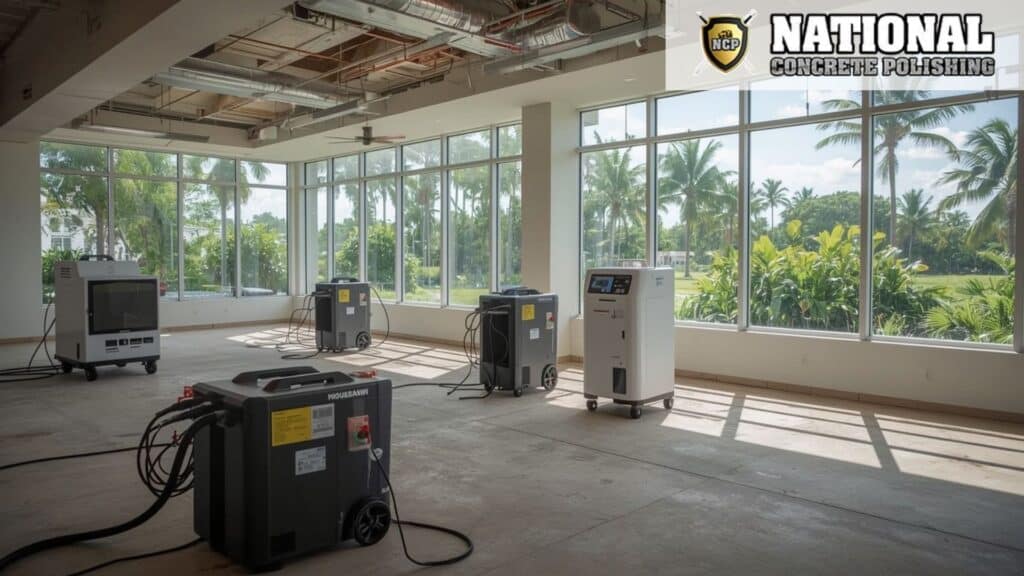
Humidity control represents perhaps the most significant challenge in Miami’s flooring projects. Relative humidity levels frequently exceed 80%, creating conditions that can interfere with adhesive removal, surface drying, and epoxy curing processes. Professional contractors utilize dehumidification equipment, moisture barriers, and environmental monitoring systems to maintain optimal conditions throughout the project timeline. Proper humidity management prevents condensation issues that can compromise surface preparation and epoxy adhesion.
Moisture intrusion through concrete slabs is a common issue in Miami’s low-lying coastal environment. Ground water, hydrostatic pressure, and vapor transmission can introduce moisture into concrete substrates, creating problems for epoxy installations. Professional tile removal services include moisture testing and vapor barrier assessment to identify potential issues before epoxy application. Remediation measures may include moisture mitigation systems, vapor barriers, or specialized epoxy formulations designed for high-moisture environments.
Temperature fluctuations between air-conditioned interior spaces and Miami’s warm exterior climate can create thermal stress and condensation issues during tile removal projects. Professional contractors implement temperature monitoring and gradual acclimatization procedures to minimize thermal shock and prevent moisture-related complications. Climate-controlled work environments may be necessary for critical projects or sensitive epoxy installations.
Seasonal weather patterns, including hurricane season and summer thunderstorms, require flexible project scheduling and contingency planning. Professional contractors maintain weather monitoring systems and adjust project timelines to accommodate Miami’s unpredictable weather conditions. Proper planning prevents weather-related delays and ensures optimal conditions for both tile removal and epoxy installation phases.
Salt air exposure in coastal Miami locations can accelerate corrosion and create unique surface preparation challenges. Professional contractors utilize specialized cleaning solutions and corrosion inhibitors to address salt contamination issues. These environmental factors require enhanced surface preparation techniques and may necessitate specialized epoxy formulations designed for marine environments.
Surface Preparation Standards for Epoxy Installation
Achieving proper surface preparation standards is absolutely critical for successful epoxy installations following tile removal. The concrete substrate must meet specific cleanliness, profile, and moisture requirements to ensure optimal epoxy adhesion and long-term performance. Professional contractors follow established industry standards, including ICRI guidelines and manufacturer specifications, to achieve the surface conditions necessary for premium epoxy installations.
Surface cleanliness requirements extend far beyond simple debris removal to include elimination of all contaminants that could interfere with epoxy bonding. Oil, grease, curing compounds, adhesive residues, and other surface contaminants must be completely removed through appropriate cleaning methods. Professional contractors utilize alkaline cleaners, degreasers, and mechanical preparation techniques to achieve the cleanliness standards required for epoxy applications. Surface contamination testing may be performed to verify cleanliness levels before epoxy installation proceeds.
Concrete surface profile (CSP) requirements vary depending on the specific epoxy system being installed, but typically range from CSP-1 to CSP-3 for most applications. This profile provides the mechanical anchor points necessary for proper epoxy adhesion while maintaining surface smoothness for optimal coating performance. Professional contractors utilize diamond grinding, shot blasting, or acid etching techniques to achieve the specified surface profile without compromising concrete integrity.
Moisture content limitations are particularly critical in Miami’s humid environment, where concrete substrates may retain elevated moisture levels. Most epoxy systems require concrete moisture content below 4% and relative humidity levels below 75% at the substrate interface. Professional contractors utilize moisture meters, relative humidity probes, and calcium chloride testing to verify moisture conditions before epoxy application. Extended drying periods or moisture mitigation systems may be necessary to achieve acceptable moisture levels.
Surface defect repair is often necessary following tile removal to address cracks, spalls, holes, and other irregularities in the concrete substrate. Professional contractors assess substrate conditions and perform necessary repairs using appropriate patching compounds, crack injection systems, or concrete resurfacing materials. All repair work must be properly cured and prepared before epoxy installation can proceed.
Final surface inspection and documentation ensure that all preparation standards have been met before epoxy application begins. Professional contractors perform comprehensive surface evaluations, including visual inspection, profile verification, moisture testing, and contamination assessment. This documentation provides quality assurance and serves as a reference for warranty purposes. Any deficiencies identified during final inspection must be corrected before epoxy installation proceeds.
Cost Factors and Project Timeline Considerations
Understanding the cost factors and timeline requirements for tile removal projects enables property owners to make informed decisions and plan accordingly for their epoxy installation projects. Multiple variables influence both cost and schedule, including project size, tile type, adhesive systems, substrate conditions, environmental factors, and quality requirements. Professional contractors provide detailed estimates that account for these variables and establish realistic expectations for project completion.
Project size represents the primary cost factor, with larger areas typically benefiting from economies of scale in equipment utilization and labor efficiency. However, small projects may incur higher per-square-foot costs due to minimum mobilization charges and setup requirements. Professional contractors evaluate project scope and provide pricing structures that reflect the efficiencies achievable for different project sizes. Complex layouts, multiple rooms, or restricted access areas may require additional time and specialized techniques that impact overall project costs.
Tile type and installation methods significantly influence removal difficulty and associated costs. Ceramic and porcelain tiles typically require different removal approaches than natural stone, luxury vinyl, or specialty tile materials. Similarly, tiles installed with modern polymer-modified adhesives may prove more challenging to remove than those installed with traditional cement-based mortars. Professional contractors assess existing tile installations and provide cost estimates that reflect the specific removal requirements for each material type.
Substrate conditions discovered during tile removal can impact both costs and timelines. Damaged concrete, contamination issues, moisture problems, or structural defects may require additional remediation work before epoxy installation can proceed. Professional contractors include contingency provisions in their estimates to address potential substrate issues, but significant problems may require change orders and schedule adjustments.
Environmental compliance requirements in Miami add complexity and cost to tile removal projects. Dust control systems, noise management, debris disposal, and air quality monitoring all require specialized equipment and procedures that impact project costs. Professional contractors include these compliance costs in their estimates and ensure that all environmental requirements are properly addressed throughout the project.
Timeline considerations must account for both tile removal and subsequent epoxy installation requirements. Coordination between removal and installation phases prevents delays and ensures optimal conditions for epoxy application. Professional contractors work closely with epoxy installers to coordinate schedules and maintain proper environmental conditions throughout the transition period. Weather delays, permit requirements, and building access restrictions may also impact project timelines and require flexible scheduling approaches.
National Concrete Polishing specializes in comprehensive floor preparation services, including professional tile removal and surface preparation for epoxy installations throughout the Miami area. Their experienced team utilizes state-of-the-art equipment and proven techniques to ensure optimal substrate conditions for premium epoxy flooring systems. With extensive knowledge of Miami’s unique environmental challenges and regulatory requirements, National Concrete Polishing delivers reliable, high-quality tile removal services that set the foundation for successful epoxy installations.
Frequently Asked Questions
How long does tile removal typically take before epoxy installation?
Project timelines vary significantly based on area size, tile type, and substrate conditions, but most residential projects require 1-3 days for complete removal and preparation. Commercial projects may require several weeks depending on scope and complexity. Professional contractors provide detailed timeline estimates during initial project assessment.
Can I install epoxy directly over existing tiles?
Installing epoxy over existing tiles is not recommended and typically voids manufacturer warranties. Proper tile removal ensures optimal epoxy adhesion and prevents future coating failure. The investment in professional tile removal pays dividends in long-term epoxy performance and durability.
What happens if adhesive residue isn’t completely removed?
Remaining adhesive residue creates weak points that can cause epoxy delamination, bubbling, and premature coating failure. Professional removal ensures complete adhesive elimination using appropriate mechanical and chemical methods. Surface contamination testing may be performed to verify complete removal.
How do Miami’s humidity levels affect tile removal projects?
High humidity can slow adhesive removal, extend drying times, and complicate surface preparation. Professional contractors utilize dehumidification equipment and environmental controls to maintain optimal conditions throughout the removal process. Proper humidity management is essential for project success.
Is professional tile removal worth the additional cost?
Professional removal typically proves more cost-effective when considering equipment costs, disposal requirements, safety compliance, and quality assurance. DIY removal often results in substrate damage, incomplete preparation, or safety issues that require costly remediation. Professional services provide warranties and insurance coverage for additional peace of mind.
What safety precautions are necessary during tile removal?
Tile removal generates significant dust, noise, and debris that require proper safety equipment and procedures. Professional contractors utilize respiratory protection, hearing protection, eye protection, and dust containment systems to ensure worker and occupant safety. OSHA compliance is mandatory for commercial projects.
How do you handle asbestos-containing tiles?
Tiles installed before 1980 may contain asbestos and require specialized abatement procedures. Professional contractors perform testing and coordinate with certified asbestos abatement specialists when necessary. Proper identification and handling of hazardous materials ensures compliance with environmental regulations.
Can tile removal damage the concrete substrate?
Improper removal techniques can cause concrete damage, but professional contractors utilize appropriate tools and methods to preserve substrate integrity. Surface profiling and preparation techniques actually improve concrete conditions for epoxy installation. Professional removal includes substrate assessment and repair as necessary.
Conclusion
Professional tile removal services represent a critical investment in the success of any epoxy flooring installation project in Miami. The complex interplay of environmental factors, substrate conditions, and technical requirements demands specialized expertise and equipment that only professional contractors can provide. From initial assessment through final surface preparation, every aspect of the tile removal process impacts the ultimate performance and longevity of the epoxy flooring system.
Miami’s unique climate challenges, including high humidity, temperature fluctuations, and moisture intrusion issues, require adaptive techniques and specialized knowledge that professional contractors bring to every project. The investment in quality tile removal services typically proves cost-effective when considering the potential consequences of improper preparation, including coating failure, remediation costs, and business disruption.
The evolution of tile removal equipment and techniques has dramatically improved project efficiency while maintaining the high-quality standards necessary for premium epoxy installations. Professional contractors utilize this advanced equipment along with comprehensive safety protocols and environmental compliance measures to deliver superior results within reasonable timeframes.
Ultimately, the success of any epoxy flooring project begins with proper surface preparation, and professional tile removal services provide the foundation for achieving optimal results. Property owners who invest in quality preparation work enjoy the full benefits of epoxy flooring systems, including enhanced durability, improved aesthetics, and reduced maintenance requirements that justify the initial investment for years to come.
source https://nationalconcretepolishing.net/floor-removal-tile-miami/


No comments:
Post a Comment