When designing spaces for funeral services and crematoriums, every detail matters in creating an environment that honors the deceased while providing comfort to grieving families. The flooring choice plays a particularly crucial role, as it must balance durability, cleanliness, and aesthetic appeal while maintaining the reverent atmosphere these sacred spaces require. Polished concrete crematorium flooring has emerged as the premier choice for funeral service facilities throughout South Florida, offering an unmatched combination of practical benefits and visual elegance.
The unique demands of crematorium environments require flooring solutions that can withstand extreme temperature variations, heavy equipment loads, and frequent cleaning protocols while maintaining a pristine appearance. Traditional flooring materials often fall short of these rigorous requirements, leading to costly maintenance issues and potential disruptions to sensitive operations. Polished concrete flooring addresses these challenges head-on, providing a seamless, non-porous surface that excels in the most demanding funeral service applications.
South Florida’s climate presents additional considerations for crematorium facilities, with high humidity levels and frequent temperature fluctuations that can wreak havoc on conventional flooring materials. The region’s funeral service industry has increasingly turned to specialized polished concrete solutions that not only withstand these environmental challenges but actually improve with age when properly maintained, as explained in resources about why polished concrete is popular in Florida. This flooring choice represents a long-term investment in facility operations, reducing downtime and maintenance costs while ensuring consistent performance year after year.
The aesthetic qualities of polished concrete have also revolutionized the design possibilities for modern funeral facilities. Gone are the days when crematoriums were limited to sterile, institutional appearances. Today’s polished concrete systems offer sophisticated color options, decorative aggregate choices, and finish levels that create warm, welcoming environments appropriate for memorial services and family gatherings. The reflective properties of polished concrete enhance natural lighting, creating spaces that feel open and peaceful rather than confined and somber.
Key Takeaways
- Superior Durability: Polished concrete crematorium flooring withstands extreme temperature variations from cremation equipment while maintaining structural integrity and appearance over decades of use.
- Enhanced Hygiene Standards: The non-porous, seamless surface eliminates bacteria and odor retention, meeting strict health department requirements for funeral service facilities throughout South Florida.
- Climate Resilience: Specially formulated polished concrete systems resist humidity damage and temperature fluctuations common in South Florida’s subtropical environment.
- Cost-Effective Operations: Reduced maintenance requirements and extended lifespan provide significant long-term savings compared to traditional flooring materials in crematorium applications.
- Design Flexibility: Modern polished concrete offers extensive customization options including color integration, decorative aggregates, and various sheen levels to create appropriate atmospheres for different areas within funeral facilities.
- Rapid Installation: Professional installation minimizes operational disruptions, allowing funeral services to continue with minimal downtime during flooring upgrades or new construction projects.
- Environmental Sustainability: Polished concrete systems support green building initiatives while reducing the need for harsh cleaning chemicals and frequent floor replacements, as detailed in guides explaining why polished concrete floors are eco-friendly.
- Professional Appearance: The sophisticated finish enhances the overall presentation of funeral facilities, supporting the dignified atmosphere families expect during difficult times.
Understanding Crematorium Polished Concrete
The specialized requirements of crematorium facilities demand flooring solutions that go far beyond standard commercial applications. Polished concrete crematorium installations must account for unique environmental factors including extreme heat exposure, heavy machinery vibrations, and stringent cleanliness standards that define modern funeral service operations. These facilities operate sophisticated cremation equipment that generates intense heat and requires precise positioning, making floor stability and thermal resistance critical performance factors.
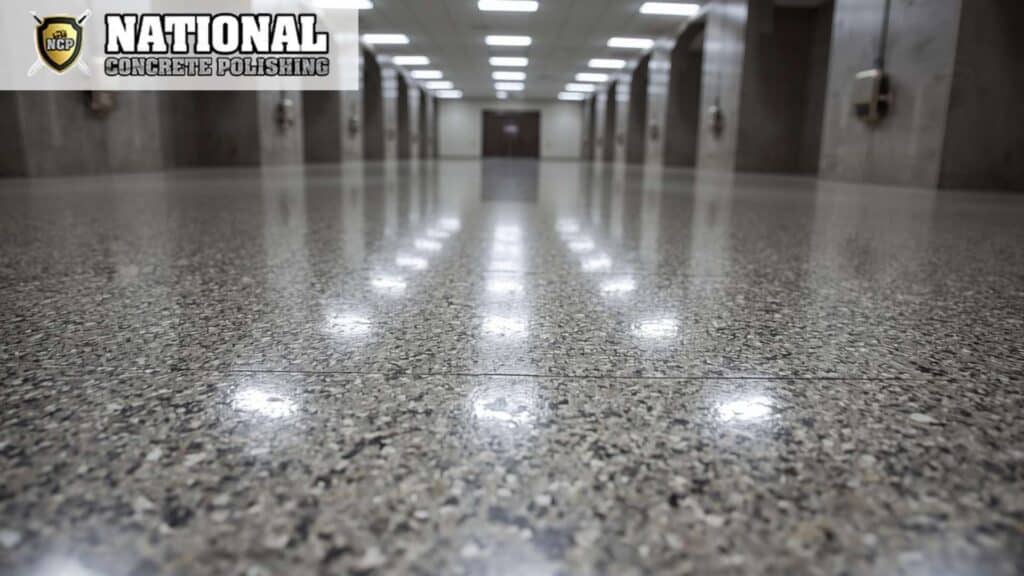
Professional polished concrete systems designed for crematorium use incorporate specialized hardening agents and densifiers that create surfaces capable of withstanding temperatures exceeding 200 degrees Fahrenheit without compromising structural integrity. The concrete matrix is enhanced through chemical treatments that penetrate deep into the substrate, creating molecular bonds that increase surface density and eliminate porosity, similar to techniques used when selecting the right densifier for concrete floors. This process results in flooring that actually becomes more durable over time, developing increased hardness through continued use and proper maintenance protocols.
The grinding and polishing process for crematorium applications follows precise specifications that ensure optimal performance under demanding conditions. Multiple diamond grinding stages progressively refine the surface texture while exposing decorative aggregates and achieving the desired sheen level. Each stage removes microscopic surface irregularities while increasing surface density, and understanding the concrete polishing diamond grit sequence helps achieve optimal results, ultimately creating a floor that combines industrial strength with architectural beauty suitable for funeral service environments.
Climate Considerations for South Florida
South Florida’s subtropical climate presents unique challenges for funeral service facilities, with year-round humidity levels often exceeding 70% and frequent temperature fluctuations that can stress traditional flooring materials. Conventional options like vinyl composition tile, ceramic, or natural stone often fail prematurely due to moisture infiltration, thermal expansion issues, and the constant cycling between air-conditioned interiors and humid outdoor conditions. Polished concrete flooring systems specifically engineered for this climate provide superior performance through advanced moisture management and thermal stability characteristics.
The concrete substrate preparation process for South Florida applications includes specialized vapor barrier systems and moisture mitigation techniques that prevent humidity-related problems before they begin. Professional installers conduct comprehensive moisture testing to ensure optimal conditions for polishing systems, while incorporating climate-appropriate curing compounds that maintain performance standards despite challenging environmental conditions, as explained in resources about how Florida humidity impacts concrete finishes. These preparations are particularly crucial for crematorium facilities where equipment heat loads combine with ambient humidity to create demanding operating environments.
Hurricane season preparations also factor into flooring decisions for South Florida funeral facilities, as these essential services must remain operational during emergency situations. Polished concrete crematorium flooring provides exceptional resistance to flood damage, allowing for rapid cleanup and sanitization following weather events. The seamless, non-porous surface prevents water infiltration that could compromise structural integrity or create long-term moisture problems affecting indoor air quality and equipment performance.
Temperature regulation benefits of polished concrete become particularly valuable in crematorium applications where equipment generates significant heat loads. The thermal mass properties of concrete help stabilize interior temperatures, reducing HVAC system demands while maintaining comfortable conditions for staff and visiting families, similar to how polished concrete affects building temperature in Florida. This thermal stability also protects sensitive cremation equipment from temperature fluctuations that could affect operational precision or equipment longevity.
Health and Safety Standards
Funeral service facilities operate under strict health department regulations that mandate specific cleanliness and sanitation standards, particularly in crematorium areas where human remains are processed. Polished concrete flooring systems excel in meeting these rigorous requirements through their non-porous, seamless construction that eliminates hiding places for bacteria, viruses, and other contaminants. The dense surface structure achieved through professional polishing prevents absorption of bodily fluids, cleaning chemicals, or other substances that could compromise facility hygiene.
The antimicrobial properties of properly installed polished concrete crematorium flooring support infection control protocols essential to funeral service operations. Unlike porous materials that can harbor pathogens despite regular cleaning, polished concrete surfaces can be thoroughly sanitized using standard disinfection procedures without degrading the floor finish, similar to standards met by health code compliant epoxy floors. This capability proves particularly valuable during pandemic situations or when processing cases involving infectious diseases, allowing facilities to maintain the highest safety standards for staff and families.
Slip resistance considerations are paramount in crematorium environments where staff handle heavy equipment and sensitive materials under emotionally challenging circumstances. Professional polished concrete installations can incorporate specific aggregate blends and finish techniques that provide appropriate traction levels without compromising the smooth, cleanable surface required for sanitation purposes, and understanding why certain aggregates create better slip resistance helps optimize safety. The ability to customize slip resistance characteristics allows facility designers to optimize safety in different areas while maintaining consistent aesthetic appeal throughout the building.
Chemical resistance becomes crucial when considering the various cleaning agents and disinfectants required for funeral service operations. Polished concrete systems demonstrate exceptional resistance to acidic cleaners, bleach solutions, and specialized disinfectants commonly used in crematorium facilities. This chemical resistance prevents floor degradation that could create maintenance issues or compromise the professional appearance essential to funeral service environments.
Design Aesthetics and Customization
Modern funeral facilities have evolved far beyond the stark, institutional appearances of the past, embracing design approaches that create comforting, dignified environments for grieving families while maintaining the professional standards required for crematorium operations. Polished concrete flooring systems offer unprecedented design flexibility, allowing architects and facility owners to achieve sophisticated aesthetic goals while meeting demanding performance requirements. The range of available finishes, colors, and decorative elements enables seamless integration with contemporary funeral home design concepts.

Color integration options for polished concrete crematorium applications extend well beyond basic gray tones, incorporating warm earth tones, subtle blues, and sophisticated charcoal shades that complement modern architectural elements. Integral color systems penetrate throughout the concrete matrix, ensuring consistent appearance that won’t fade or wear away over time, and understanding how to color concrete provides insight into these techniques. These permanent color solutions prove particularly valuable in high-traffic areas where surface treatments might deteriorate, maintaining visual appeal throughout decades of service.
Decorative aggregate exposure adds textural interest and visual depth to polished concrete surfaces while maintaining the smooth, cleanable characteristics essential for crematorium applications. Carefully selected aggregates including recycled glass, natural stone chips, and metallic elements create subtle sparkle effects that enhance lighting while avoiding overly flashy appearances inappropriate for funeral service settings. Learning about exposed aggregate polished concrete shows how the grinding and polishing process can be customized to achieve various levels of aggregate exposure, from minimal hints of texture to bold decorative statements.
Sheen level customization allows facility designers to create appropriate atmospheres for different functional areas within funeral facilities. Higher gloss levels maximize light reflection in crematorium work areas where task lighting is critical, while lower sheen finishes provide more subdued appearances in family viewing areas or memorial spaces. Professional installers can achieve seamless transitions between different sheen levels, creating visual zones that support facility operations while maintaining overall design cohesion.
Installation Process and Operations
The installation of polished concrete crematorium flooring requires specialized expertise and careful coordination to minimize disruptions to funeral service operations. Professional contractors like National Concrete Polishing understand the sensitive nature of funeral facilities and develop installation schedules that accommodate ongoing services while ensuring optimal concrete curing conditions. The multi-stage process typically spans several weeks, with each phase carefully timed to allow continued facility operations in unaffected areas.
Substrate preparation forms the foundation of successful polished concrete installations, particularly in crematorium environments where floor performance directly impacts operational capabilities. Existing concrete surfaces undergo comprehensive evaluation to identify any structural issues, moisture problems, or contamination that could affect the polishing system, and understanding what role concrete age plays helps assess existing conditions. Professional preparation may include concrete repairs, moisture mitigation treatments, and surface profiling to ensure optimal bonding of hardening agents and polishing compounds.
The grinding phase removes surface imperfections while progressively refining the concrete texture through multiple diamond tool passes. Each grinding stage uses increasingly fine diamond segments to achieve the desired surface profile and aggregate exposure level. Dust containment systems protect sensitive crematorium equipment and maintain air quality throughout the installation process, and proper concrete polishing dust control systems ensure indoor air quality, while professional crews coordinate with facility staff to ensure uninterrupted operations in adjacent areas.
Chemical hardening and densification treatments penetrate deep into the concrete matrix, creating the dense, non-porous surface characteristics essential for crematorium applications. These treatments require specific curing times and environmental conditions to achieve optimal performance, with professional installers monitoring temperature and humidity levels throughout the process. The final polishing stages achieve the specified sheen level while activating the chemical treatments to create surfaces that actually improve with age and use.
Quality control measures throughout the installation process ensure compliance with funeral industry standards and local health department requirements. Professional contractors conduct regular testing of surface hardness, slip resistance, and chemical resistance to verify performance specifications. Final inspections include comprehensive documentation of installation procedures and maintenance requirements, providing facility owners with complete records for regulatory compliance and warranty purposes.
Frequently Asked Questions
How does polished concrete handle the extreme temperatures generated by cremation equipment?
Polished concrete crematorium flooring is specifically engineered to withstand extreme temperature variations through specialized hardening agents and densification treatments that create thermally stable surfaces. The concrete matrix can handle temperatures exceeding 200°F without structural damage or surface degradation, making it ideal for areas adjacent to cremation equipment.
What maintenance requirements are involved with polished concrete in funeral facilities?
Polished concrete requires minimal maintenance compared to traditional flooring materials. Daily cleaning involves simple dust mopping and periodic damp mopping with neutral pH cleaners, as detailed in the ultimate guide on how to clean polished concrete floors. Annual maintenance may include light repolishing in high-traffic areas, but the dense surface resists staining and wear, maintaining appearance for decades with proper care.
Can polished concrete meet the strict hygiene standards required for crematorium operations?
Yes, polished concrete exceeds hygiene standards through its non-porous, seamless construction that eliminates bacteria hiding places and allows thorough sanitization. The dense surface prevents absorption of contaminants and can be disinfected with standard funeral industry cleaning protocols without compromising the floor finish.
How long does the installation process take, and will it disrupt funeral services?
Installation typically requires 2-3 weeks depending on facility size and complexity, and understanding how long concrete polishing takes helps with planning. Professional contractors like National Concrete Polishing coordinate schedules to minimize disruptions, often working in phases that allow continued operations in unaffected areas. Most funeral services can continue with minimal interruption during the installation process.
What design options are available for polished concrete in funeral facilities?
Polished concrete offers extensive customization including integral colors, decorative aggregate exposure, various sheen levels, and custom scoring patterns. These options allow funeral facilities to create dignified, welcoming environments while maintaining the performance characteristics required for crematorium operations.
How does polished concrete perform in South Florida’s humid climate?
Polished concrete excels in humid conditions due to its moisture-resistant properties and thermal stability. The dense, non-porous surface prevents humidity-related problems like mold growth or material degradation that affect other flooring types in South Florida’s subtropical climate.
What are the long-term cost benefits compared to other flooring options?
Polished concrete provides significant long-term savings through reduced maintenance costs, extended lifespan, and minimal replacement requirements, and understanding how much it costs to polish concrete floors helps with budget planning. While initial installation costs may be higher than some alternatives, the total cost of ownership over 20-30 years is typically much lower than traditional flooring materials.
Is polished concrete suitable for all areas within a funeral facility?
Polished concrete works well in most funeral facility areas including crematorium spaces, preparation rooms, and public areas. Different finish levels and slip resistance characteristics can be specified for various applications, ensuring optimal performance and safety throughout the facility.
Conclusion
The selection of appropriate flooring for crematorium facilities represents a critical decision that impacts operations, maintenance costs, and the overall experience provided to grieving families. Polished concrete crematorium flooring has proven itself as the superior choice for South Florida funeral facilities, delivering unmatched durability, hygiene standards, and aesthetic appeal in the region’s challenging climate conditions. The investment in professional polished concrete installation pays dividends through reduced maintenance requirements, extended service life, and enhanced facility presentation that supports the dignified atmosphere essential to funeral service operations.
National Concrete Polishing brings specialized expertise to funeral facility projects throughout South Florida, understanding the unique requirements and sensitivities involved in these essential community services. Their professional approach ensures minimal disruption during installation while delivering flooring systems that exceed performance expectations for decades of reliable service, similar to their work on commercial spaces throughout the region. The combination of technical expertise and respectful project management makes them the preferred choice for funeral facility owners seeking long-term flooring solutions.
As the funeral service industry continues to evolve, polished concrete flooring provides the flexibility and performance characteristics needed to support both current operations and future facility expansions. The sustainable nature of polished concrete systems aligns with growing environmental consciousness while delivering the practical benefits that make crematorium operations more efficient and cost-effective. For South Florida funeral facilities planning new construction or facility upgrades, polished concrete represents an investment in operational excellence that honors both the deceased and the families they serve.
source https://nationalconcretepolishing.net/polished-concrete-crematorium/


No comments:
Post a Comment