The hospitality industry in Pompano Beach faces unique challenges when it comes to flooring solutions. Hotels, resorts, restaurants, and entertainment venues require surfaces that can withstand heavy foot traffic, frequent cleaning, and the coastal environment’s humidity while maintaining an upscale appearance that impresses guests. Traditional flooring options often fall short, requiring frequent replacement or extensive maintenance that disrupts operations and impacts profitability.
Polished concrete has emerged as the premier flooring solution for Pompano Beach’s thriving hospitality sector. This innovative surface treatment transforms ordinary concrete into a sophisticated, mirror-like finish that combines exceptional durability with stunning visual appeal. Unlike traditional flooring materials that deteriorate under constant use, polished concrete hotel Pompano Beach installations deliver decades of reliable performance with minimal maintenance requirements.
The transformation process involves mechanically grinding and polishing concrete surfaces using progressively finer diamond abrasives, creating a glass-like finish that’s both beautiful and incredibly resilient. This process eliminates the need for coatings or waxes that can wear away, chip, or require regular reapplication. The result is a seamless, non-porous surface that resists stains, moisture, and damage from heavy equipment or furniture.
For hospitality businesses operating in Pompano Beach’s competitive market, the choice of flooring directly impacts guest satisfaction, operational efficiency, and long-term profitability. Guests expect clean, attractive environments that reflect quality and attention to detail. Polished concrete delivers on these expectations while providing property owners with a cost-effective solution that reduces maintenance expenses and extends replacement cycles.
The coastal location of Pompano Beach presents additional considerations for hospitality flooring. High humidity, salt air, and frequent temperature fluctuations can accelerate the deterioration of many flooring materials. Polished concrete flooring Pompano Beach installations resist these environmental challenges, maintaining their appearance and structural integrity regardless of weather conditions or seasonal variations in occupancy.
Key Takeaways
Exceptional Durability: Polished concrete withstands heavy foot traffic, rolling luggage, and commercial equipment without showing wear patterns or requiring frequent repairs, making it ideal for hotel lobbies, corridors, and service areas.
Low Maintenance Requirements: The non-porous surface resists stains and spills, requiring only routine cleaning with standard equipment and products, significantly reducing housekeeping labor costs and maintenance schedules.
Enhanced Guest Experience: The reflective surface amplifies natural and artificial lighting, creating brighter, more welcoming spaces that contribute to positive guest impressions and online reviews.
Cost-Effective Long-Term Solution: While initial installation costs may be higher than some alternatives, the extended lifespan and reduced maintenance requirements deliver superior return on investment over 20-30 year periods.
Improved Indoor Air Quality: Unlike carpeting or other porous materials, polished concrete doesn’t harbor allergens, dust mites, or bacteria, contributing to healthier indoor environments for guests and staff.
Design Flexibility: Available in various sheen levels and can incorporate decorative elements like aggregates, dyes, or saw-cut patterns to complement any architectural style or branding requirements.
Environmental Benefits: Utilizes existing concrete substrates, reducing waste and material consumption while eliminating the need for chemical coatings or adhesives that can off-gas volatile organic compounds .
Climate Resilience: Performs exceptionally well in Pompano Beach’s humid subtropical climate, resisting moisture-related issues that commonly affect other flooring materials in coastal environments.
Understanding Polished Concrete for Hospitality Applications
Polished concrete represents a fundamental shift in how hospitality businesses approach flooring solutions. Rather than applying surface treatments that can wear away or fail, the polishing process enhances the concrete’s inherent properties, creating a surface that becomes more durable and attractive over time. This approach aligns perfectly with the hospitality industry’s need for reliable, long-lasting infrastructure that supports continuous operations.
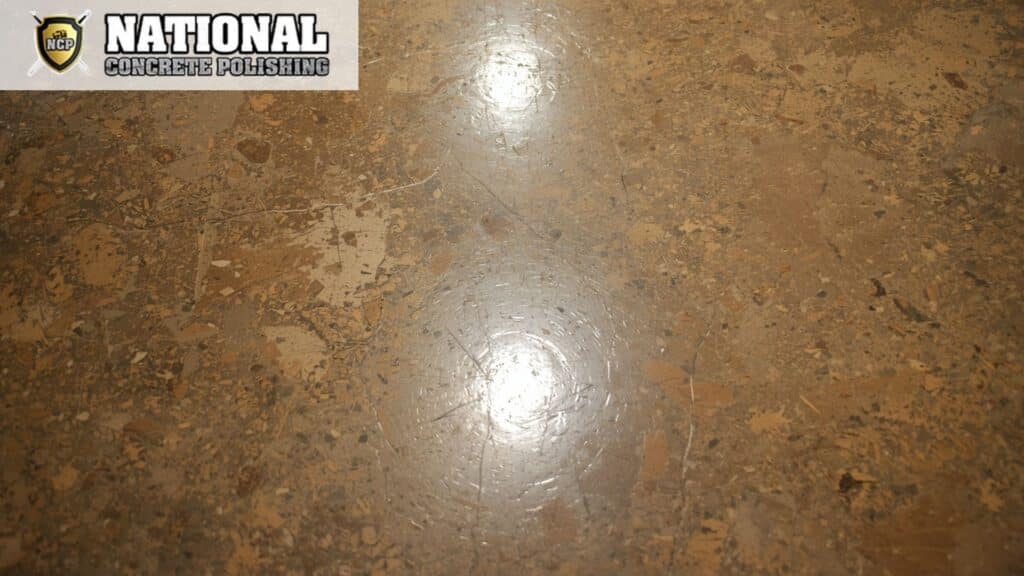
The polishing process begins with evaluating the existing concrete substrate to determine its condition and suitability for polishing. In many cases, older concrete floors in Pompano Beach hotels can be successfully polished, providing an opportunity to upgrade aging facilities without the expense and disruption of complete floor replacement. This capability is particularly valuable for historic properties or buildings where maintaining original architectural elements is important.
Professional polishing involves multiple steps, each designed to progressively refine the surface and enhance its performance characteristics. Initial grinding removes surface imperfections, old coatings, and minor damage while beginning to expose the concrete’s internal structure. Subsequent polishing steps use increasingly fine diamond abrasives to create the desired sheen level and surface smoothness.
The final result is a surface that combines the structural integrity of concrete with the aesthetic appeal of natural stone. The polishing process reveals the concrete’s unique characteristics, including aggregate patterns and subtle color variations that create visual interest without overwhelming design schemes. This natural beauty complements both contemporary and traditional hospitality environments.
Durability Advantages in High-Traffic Hospitality Environments
Pompano Beach hotels experience intense foot traffic from guests, staff, and service providers throughout the year. Peak tourist seasons bring additional challenges as occupancy rates soar and common areas see constant use. Traditional flooring materials often show wear patterns, scuff marks, or damage within months of installation, requiring ongoing touch-ups or premature replacement that disrupts operations and impacts guest satisfaction.
Polished concrete’s exceptional durability stems from its fundamental composition and the mechanical polishing process. Unlike surface coatings that can chip, peel, or wear through to expose the substrate beneath, polished concrete’s beauty and protection extend throughout the entire surface thickness. This means that minor scratches or impacts don’t compromise the floor’s appearance or performance, and normal wear actually enhances the surface’s polish over time.
The hardness of properly polished concrete rivals that of natural stone while offering superior consistency and fewer maintenance requirements . Heavy luggage, furniture movement, and commercial cleaning equipment don’t create the damage patterns commonly seen with other flooring materials. This resilience is particularly important in hotel lobbies, where first impressions are critical and any signs of wear or damage immediately impact guest perceptions.
Rolling loads from luggage carts, housekeeping equipment, and service vehicles present unique challenges for hospitality flooring. Polished concrete’s monolithic structure distributes these loads effectively, preventing the cracking, indentation, or surface failure that can occur with modular flooring systems. The seamless surface also eliminates joints or seams where damage typically initiates, providing superior long-term performance.
Chemical resistance is another crucial durability factor in hospitality environments. Spilled beverages, cleaning products, and other substances that commonly contact flooring in hotels can cause permanent staining or damage to many materials . Polished concrete’s dense, non-porous surface resists chemical penetration, allowing for easy cleanup without lasting effects. This resistance extends to the salt air and humidity characteristic of Pompano Beach’s coastal environment.
Maintenance Efficiency and Operational Benefits
Hospitality operations in Pompano Beach require flooring solutions that support efficient housekeeping and maintenance protocols while minimizing disruption to guest services. Traditional flooring materials often demand specialized cleaning products, equipment, or techniques that increase labor costs and complicate staff training. Some materials require periodic deep cleaning, refinishing, or protective treatments that necessitate area closures and impact revenue generation.

Polished concrete revolutionizes maintenance approaches by eliminating many traditional flooring care requirements. The non-porous surface prevents dirt, liquids, and contaminants from penetrating below the surface, where they can cause odors, staining, or bacterial growth. Daily maintenance involves simple dust mopping or damp cleaning with neutral pH cleaners, using standard equipment already available in most hospitality facilities.
The seamless nature of polished concrete eliminates grout lines, seams, or joints where dirt and bacteria typically accumulate. This characteristic is particularly valuable in food service areas, where health department regulations require surfaces that can be thoroughly cleaned and sanitized. The smooth surface allows for effective cleaning with minimal effort, reducing labor time and ensuring compliance with hygiene standards.
Spill cleanup becomes significantly easier with polished concrete flooring. Liquids remain on the surface rather than penetrating into the material, allowing for immediate cleanup without staining or odor retention. This capability is crucial in restaurants, bars, and banquet facilities where spills are inevitable and quick response is essential to maintain service quality.
The reflective properties of polished concrete contribute to improved lighting efficiency throughout hospitality facilities. By reflecting both natural and artificial light, polished floors reduce the lighting requirements needed to achieve desired illumination levels. This effect creates brighter, more welcoming environments while reducing energy consumption and operating costs. The enhanced lighting also improves safety by increasing visibility in corridors, stairwells, and service areas.
Long-term maintenance costs are dramatically reduced compared to alternative flooring materials. While carpeting requires regular deep cleaning, eventual replacement, and ongoing treatments for stains and odors, polished concrete maintains its appearance and performance for decades with minimal intervention. This longevity allows hospitality businesses to allocate maintenance budgets to other priorities while ensuring consistent floor performance.
Design Flexibility and Aesthetic Enhancement
Modern hospitality design demands flooring solutions that complement architectural vision while supporting operational requirements. Pompano Beach hotels serve diverse clientele with varying aesthetic preferences, from business travelers seeking sophisticated environments to leisure guests desiring relaxed, coastal atmospheres. Polished concrete’s versatility allows designers to achieve virtually any aesthetic goal while maintaining the practical benefits essential for hospitality operations.
The natural beauty of polished concrete emerges from the unique characteristics of each concrete pour. Aggregate exposure reveals decorative stones, sand, and other materials incorporated into the original mix, creating patterns and textures that are impossible to replicate with manufactured flooring products. This uniqueness ensures that each installation has distinctive character that enhances the property’s individual identity.
Color customization options extend far beyond the natural gray tones typically associated with concrete. Integral colorants can be added during the mixing process to achieve consistent coloration throughout the slab thickness. Acid stains and dyes applied during the polishing process create rich, variegated colors that complement any design scheme. These coloring options allow hospitality designers to coordinate flooring with brand colors, architectural elements, or regional themes.
Decorative saw-cutting techniques add geometric patterns, borders, or artistic elements to polished concrete floors. These cuts can simulate tile patterns, create wayfinding elements, or incorporate logos and branding elements directly into the flooring surface. The precision possible with modern cutting equipment allows for intricate designs that would be prohibitively expensive with traditional materials.
Aggregate seeding techniques involve broadcasting decorative aggregates onto fresh concrete surfaces before polishing. This approach allows for incorporation of local materials like crushed shells, colored glass, or regional stones that connect the flooring to Pompano Beach’s coastal character. The polishing process reveals these materials while securing them permanently within the surface matrix.
Different sheen levels provide additional design flexibility, from subtle satin finishes that minimize glare to high-gloss surfaces that maximize light reflection. The choice of sheen level affects both the aesthetic impact and practical considerations like slip resistance and maintenance requirements. Professional installers can vary sheen levels within a single project to create visual interest while optimizing performance for specific areas.
Environmental Sustainability and Health Benefits
Sustainability considerations increasingly influence decision-making in the hospitality industry as guests become more environmentally conscious and regulatory requirements evolve. Pompano Beach’s coastal location makes environmental stewardship particularly important, as hospitality businesses recognize their responsibility to protect the natural resources that attract visitors to the region. Polished concrete aligns with these sustainability goals while delivering superior performance characteristics.
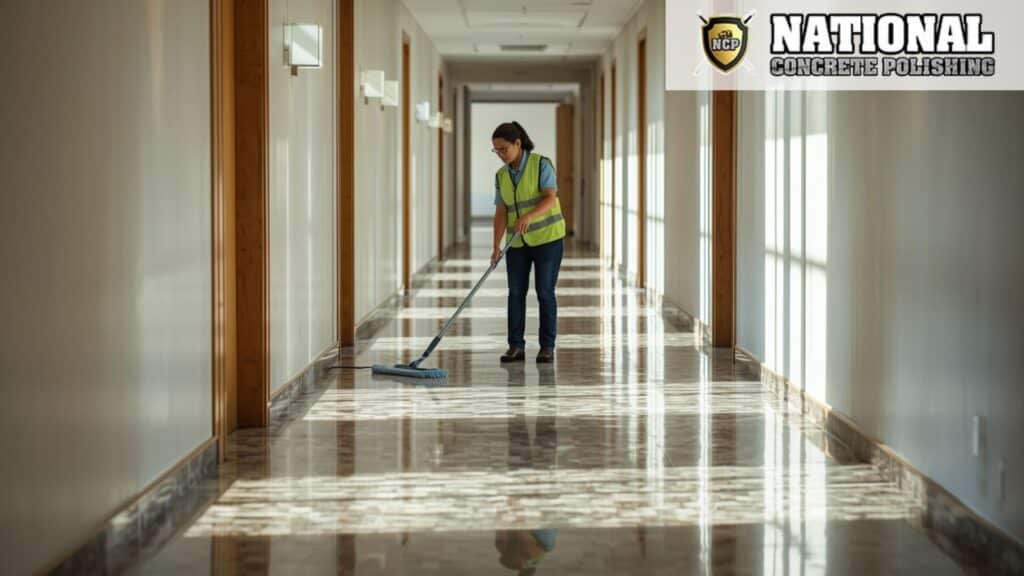
The environmental benefits of polished concrete begin with material utilization. Rather than covering existing concrete with additional flooring materials, polishing enhances the substrate already in place . This approach eliminates the environmental impact associated with manufacturing, transporting, and installing new flooring materials. It also prevents existing concrete from entering waste streams when properties undergo renovation or upgrade projects.
Energy efficiency improvements result from polished concrete’s reflective properties. The enhanced light reflection reduces artificial lighting requirements throughout hospitality facilities, lowering energy consumption and associated carbon emissions. This benefit is particularly significant in large spaces like lobbies, conference centers, and restaurants where lighting represents a substantial portion of energy usage.
Indoor air quality improvements contribute to healthier environments for both guests and staff. Unlike carpeting, which can harbor allergens, dust mites, and volatile organic compounds, polished concrete provides an inert surface that doesn’t support biological growth or off-gas harmful chemicals. This characteristic is especially valuable for guests with allergies or respiratory sensitivities.
The longevity of polished concrete reduces the frequency of flooring replacement, minimizing the environmental impact associated with manufacturing and disposing of flooring materials over time. While other flooring options may require replacement every 5-10 years, properly installed and maintained polished concrete can perform effectively for 20-30 years or longer, dramatically reducing lifetime environmental impact.
Water conservation benefits emerge from simplified cleaning requirements. Polished concrete’s non-porous surface allows for effective cleaning with minimal water usage compared to materials that require deep cleaning or extraction methods. This efficiency is particularly valuable in coastal areas where water conservation is increasingly important.
Chemical usage reduction results from eliminating the need for waxes, sealers, and specialized cleaning products required by other flooring materials. This reduction minimizes the environmental impact of chemical manufacturing and transportation while reducing the potential for harmful substances to enter local water systems through facility drainage.
Professional Installation by National Concrete Polishing
The success of any polished concrete project depends heavily on the expertise and experience of the installation team. National Concrete Polishing brings specialized knowledge of hospitality applications and deep understanding of the unique challenges present in Pompano Beach’s coastal environment. Their comprehensive approach ensures that each project delivers optimal performance while meeting the specific operational requirements of hospitality businesses.
Pre-installation assessment forms the foundation of successful polished concrete projects. National Concrete Polishing’s team evaluates existing concrete conditions, identifies potential challenges, and develops customized solutions that address each property’s unique circumstances. This thorough evaluation prevents costly surprises during installation and ensures realistic project timelines that minimize disruption to hotel operations.
The installation process requires sophisticated equipment and specialized techniques that only experienced professionals can deliver effectively. National Concrete Polishing utilizes state-of-the-art grinding and polishing equipment designed specifically for commercial applications. Their team’s expertise ensures optimal results while maintaining the strict safety standards essential in active hospitality environments.
Quality control measures throughout the installation process guarantee consistent results that meet or exceed industry standards . Regular testing of surface hardness, sheen levels, and other performance characteristics ensures that the finished product delivers the durability and aesthetic qualities expected by hospitality clients. This attention to detail prevents performance issues that could impact guest satisfaction or operational efficiency.
Project scheduling coordination minimizes disruption to hotel operations during installation. National Concrete Polishing works closely with property management teams to develop installation schedules that accommodate guest services, special events, and seasonal occupancy patterns. Their flexibility and understanding of hospitality operations help ensure that flooring projects enhance rather than hinder business operations.
Post-installation support includes comprehensive maintenance training for housekeeping staff and ongoing technical support to address any questions or concerns. This commitment to client success extends beyond project completion, ensuring that hospitality businesses can maximize the benefits of their polished concrete investment throughout its extended service life.
Frequently Asked Questions
How long does polished concrete installation take in a hotel setting?
Installation timelines vary based on project size and complexity, but most hotel areas can be completed in 3-7 days. National Concrete Polishing works with hotel management to schedule work during low-occupancy periods and can often complete projects in phases to minimize guest disruption.
Is polished concrete slippery when wet?
Properly installed polished concrete provides adequate slip resistance for most hospitality applications. Different sheen levels and texturing options can be used to optimize slip resistance for specific areas like pool decks or restaurant kitchens where wet conditions are common.
Can existing hotel floors be polished, or is new concrete required?
Many existing concrete floors can be successfully polished, provided they are structurally sound and have adequate thickness. National Concrete Polishing’s assessment process determines the feasibility of polishing existing floors versus installing new concrete substrates.
How does polished concrete perform in Pompano Beach’s humid climate?
Polished concrete excels in humid coastal environments because its non-porous surface resists moisture-related issues like mold, mildew, or dimensional changes that affect other flooring materials. The material’s stability makes it ideal for Pompano Beach’s climate conditions.
What maintenance is required for polished concrete in hotels?
Daily maintenance involves dust mopping and damp cleaning with neutral pH cleaners. Periodic deep cleaning may be beneficial in high-traffic areas, but the non-porous surface eliminates the need for waxing, sealing, or other intensive maintenance procedures required by alternative flooring materials.
Can polished concrete incorporate hotel branding or decorative elements?
Yes, polished concrete offers extensive customization options including integral colors, decorative aggregates, saw-cut patterns, and even embedded logos or graphics. These elements become permanent parts of the floor surface, ensuring long-lasting brand representation.
How does the cost of polished concrete compare to other hospitality flooring options?
While initial installation costs may be higher than some alternatives, polished concrete’s extended lifespan and minimal maintenance requirements typically provide superior return on investment over 10-20 year periods. The total cost of ownership is generally lower than carpet, tile, or other traditional flooring materials.
Is polished concrete suitable for all areas of a hotel?
Polished concrete works well in most hotel areas including lobbies, corridors, restaurants, conference rooms, and service areas. Special considerations may apply in areas with specific requirements like commercial kitchens or outdoor spaces, where additional treatments or alternative approaches might be recommended.
Conclusion
The hospitality industry in Pompano Beach demands flooring solutions that deliver exceptional performance while supporting the aesthetic and operational requirements of modern hotels, restaurants, and entertainment venues. Polished concrete emerges as the superior choice, combining unmatched durability with design flexibility and environmental responsibility. The unique challenges of coastal hospitality operations—from heavy foot traffic to humid climate conditions—are effectively addressed by polished concrete’s inherent properties and performance characteristics.
Investment in polished concrete hotel Pompano Beach installations provides hospitality businesses with a competitive advantage through reduced maintenance costs, enhanced guest experiences, and improved operational efficiency. The longevity and reliability of polished concrete ensure that properties can focus resources on guest services and amenities rather than ongoing flooring maintenance and replacement. This strategic advantage becomes increasingly important as competition intensifies and guest expectations continue to evolve.
The expertise and experience of National Concrete Polishing ensures that hospitality businesses receive installations that meet the highest standards for quality, durability, and aesthetic appeal. Their understanding of both the technical requirements of polished concrete and the operational needs of hospitality businesses creates a partnership that delivers lasting value and performance. For Pompano Beach hospitality properties seeking flooring solutions that support long-term success, polished concrete flooring Pompano Beach installations represent an investment in quality, sustainability, and guest satisfaction that pays dividends for decades to come.
source https://nationalconcretepolishing.net/polished-concrete-hotel-pompano-beach/


No comments:
Post a Comment