South Florida’s places of worship face unique challenges when it comes to flooring solutions. Between the region’s high humidity, frequent rainfall, and constant foot traffic from congregants, traditional flooring materials often fall short of providing the durability and aesthetic appeal that sacred spaces deserve. Churches, synagogues, mosques, and other religious facilities require flooring that can withstand heavy use while maintaining a beautiful, welcoming appearance that enhances the spiritual atmosphere.
Polished concrete has emerged as an exceptional solution for South Florida religious institutions seeking a perfect balance of practicality and elegance. This innovative flooring option combines the inherent strength of concrete with a sophisticated finish that rivals traditional materials like marble or terrazzo, but at a fraction of the cost and maintenance requirements. For places of worship operating on tight budgets while serving large congregations, polished concrete church South Florida installations offer an ideal combination of affordability, durability, and visual appeal.
The tropical climate of South Florida presents specific challenges that make polished concrete flooring South Florida installations particularly advantageous for religious facilities. Unlike carpet, which can harbor moisture, allergens, and odors in the humid environment, or hardwood floors that may warp and buckle, polished concrete remains stable and hygienic regardless of weather conditions. This stability is crucial for places of worship that host multiple services, community events, and gatherings throughout the week.
Religious facilities also benefit from polished concrete’s versatility in design and customization. From subtle, understated finishes that complement traditional architectural styles to decorative concrete options that incorporate religious symbols or organizational colors, polished concrete can be tailored to reflect each congregation’s unique identity and spiritual aesthetic. The seamless nature of polished concrete creates an uninterrupted visual flow that enhances the sense of unity and community that places of worship strive to cultivate.
Furthermore, the long-term cost savings associated with polished concrete make it an excellent stewardship choice for religious organizations. With minimal maintenance requirements and exceptional longevity, these floors allow congregations to allocate more resources toward their mission and community programs rather than ongoing facility maintenance and frequent floor replacements.
Key Takeaways
Superior Durability: Polished concrete floors can withstand decades of heavy foot traffic, making them ideal for busy religious facilities that host multiple services, events, and community gatherings throughout the week.
Climate Resilience: South Florida’s humid, tropical environment poses no threat to polished concrete, unlike traditional materials such as hardwood or carpet that may suffer from moisture damage, warping, or mold growth.
Low Maintenance Requirements: Regular cleaning requires only dust mopping and occasional damp cleaning with neutral pH cleaners, eliminating the need for expensive maintenance contracts or specialized cleaning equipment.
Cost-Effective Solution: Initial installation costs are typically lower than premium flooring materials, and the elimination of replacement cycles over decades provides exceptional long-term value for budget-conscious religious organizations.
Enhanced Indoor Air Quality: The non-porous surface doesn’t trap allergens, dust, or odors, creating a healthier environment for congregants with respiratory sensitivities or allergies.
Design Versatility: Polished concrete can be customized with various aggregate exposures, stain colors, and decorative elements to complement any architectural style from traditional to contemporary.
Improved Acoustics: When properly designed with appropriate sound management considerations, polished concrete can contribute to better acoustics for worship services and musical performances.
Sustainable Choice: Utilizing existing concrete slabs reduces waste, and the longevity of polished concrete minimizes environmental impact over the building’s lifetime.
Understanding Polished Concrete for Religious Facilities
Polished concrete represents a sophisticated flooring solution that transforms ordinary concrete slabs into stunning, mirror-like surfaces through a multi-step grinding and polishing process. For South Florida places of worship, this technology offers a unique opportunity to create beautiful, functional spaces that serve congregations effectively while managing operational costs responsibly.
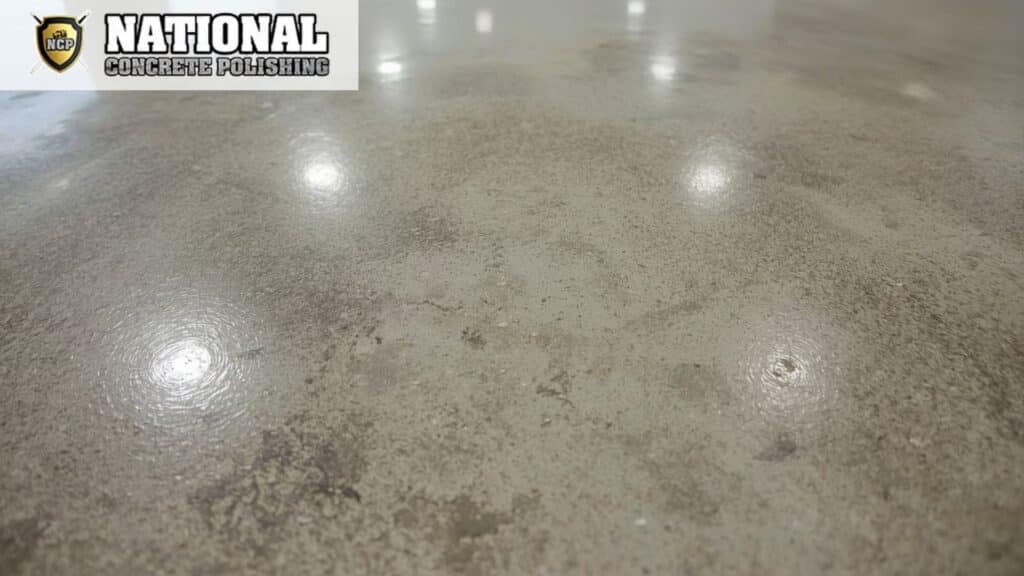
The polishing process begins with diamond grinding to remove surface imperfections and create a smooth, level foundation. Progressive grits of diamond tooling gradually refine the surface, while densifying hardeners penetrate deep into the concrete matrix to increase durability and reduce porosity. The final polishing steps create the desired level of sheen, from a subtle satin finish to a high-gloss mirror finish that reflects light beautifully throughout worship spaces.
Religious facilities particularly benefit from polished concrete’s ability to handle varying traffic patterns. Main aisles that experience heavy foot traffic during services receive the same level of protection as quieter areas near altars or meditation spaces. This consistency ensures uniform appearance and performance throughout the facility, eliminating the patchwork effect that can occur with other flooring materials that wear unevenly.
The thermal properties of polished concrete also contribute to energy efficiency in South Florida’s climate. The dense, reflective surface helps maintain consistent indoor temperatures, reducing the workload on HVAC systems during hot summer months. This energy efficiency translates to lower utility costs, allowing religious organizations to allocate more resources toward their core mission and community outreach programs.
Climate Advantages for South Florida Religious Facilities
South Florida’s unique climate presents both opportunities and challenges for places of worship selecting appropriate flooring materials. The region’s high humidity levels, frequent afternoon thunderstorms, and occasional flooding events require flooring solutions that can withstand moisture exposure without compromising structural integrity or aesthetic appeal. Polished concrete church South Florida installations excel in these demanding conditions where traditional materials often fail.
Humidity control represents a constant challenge for religious facilities in the region. Carpet flooring can become a breeding ground for mold and mildew, creating unpleasant odors and potential health concerns for congregants. Hardwood floors may cup, crown, or gap as they respond to fluctuating moisture levels. In contrast, polished concrete remains completely stable regardless of humidity variations, maintaining its appearance and structural properties year-round.
The non-porous nature of properly polished concrete prevents moisture penetration that could lead to subsurface problems. Even in the event of roof leaks or flooding, polished concrete floors can be quickly dried and restored to service without permanent damage. This resilience is particularly valuable for religious facilities that serve as community emergency shelters or disaster relief centers during severe weather events.
Temperature stability is another significant advantage in South Florida’s climate. Unlike materials that expand and contract with temperature changes, polished concrete maintains dimensional stability, preventing cracks, gaps, or buckling that can create trip hazards or unsightly appearance issues. This stability is especially important for facilities with large, open worship spaces where temperature variations can be more pronounced.
The reflective properties of polished concrete also contribute to improved lighting efficiency in worship spaces. Natural light from windows and artificial lighting from fixtures reflects off the polished surface, reducing the need for additional lighting fixtures and creating a brighter, more welcoming atmosphere for congregants. This enhanced lighting can be particularly beneficial during evening services or events when natural light is limited.
Maintenance Benefits for Busy Congregations
Religious facilities face unique maintenance challenges due to their diverse usage patterns and the volunteer-based nature of many maintenance activities. Polished concrete flooring South Florida installations address these challenges by providing a low-maintenance solution that doesn’t require specialized knowledge or expensive equipment to maintain properly. This simplicity is crucial for congregations that rely on volunteer labor or have limited maintenance budgets.

Daily maintenance of polished concrete floors involves simple dust mopping or dry cleaning to remove surface debris. Unlike carpet that requires regular vacuuming and periodic deep cleaning, or hardwood that needs specific cleaning products and techniques, polished concrete can be maintained with basic janitorial supplies and procedures that volunteers can easily learn and implement effectively.
Weekly maintenance typically involves damp mopping with neutral pH cleaners, a process that requires no special training or equipment. The non-porous surface means spills can be quickly wiped up without staining or penetrating into the flooring material. This immediate cleanup capability is particularly valuable during fellowship meals, children’s activities, or community events where spills are inevitable.
The elimination of periodic refinishing represents a significant maintenance advantage for religious facilities. Traditional hardwood floors require refinishing every few years, a process that involves substantial cost and disruption to normal activities. Carpet replacement cycles every 5-10 years create similar budget pressures and operational interruptions. Polished concrete, when properly installed and maintained, can last decades without requiring major restoration work.
Stain resistance is particularly important for multi-purpose religious facilities that host meals, children’s programs, and community events. Food spills, beverage accidents, and art project mishaps that would permanently damage carpet or stain other flooring materials can be easily cleaned from polished concrete surfaces without leaving lasting evidence of the incident.
The durability of polished concrete also means that high-traffic areas don’t develop the worn paths or damaged spots that often appear with other flooring materials. Main aisles, entryways, and altar areas maintain the same appearance as less-trafficked zones, ensuring a consistent, professional appearance throughout the facility regardless of usage patterns.
Design Flexibility and Aesthetic Options
One common misconception about polished concrete is that it offers limited design options or creates an industrial appearance inappropriate for worship spaces. In reality, modern polished concrete techniques provide extensive customization possibilities that can enhance any architectural style while respecting the sacred nature of religious environments. From traditional sanctuaries to contemporary worship centers, polished concrete can be tailored to complement and enhance existing design elements.
Aggregate exposure levels offer the first layer of customization for religious facilities. Cream finishes expose minimal aggregate, creating a smooth, refined appearance suitable for formal worship spaces. Medium aggregate exposure reveals more stone content, adding visual texture and interest while maintaining elegance. Full aggregate exposure creates dramatic visual impact with maximum stone revelation, ideal for contemporary facilities or areas where bold design statements are appropriate.
Integral coloring and acid staining provide opportunities to incorporate organizational colors or create visual zones within worship spaces. Subtle earth tones can complement traditional architectural elements, while custom colors can reflect denominational traditions or seasonal liturgical themes. Multiple colors can be combined to create patterns, borders, or designated areas for different functions within the facility.
Decorative scoring and sawcut patterns add another dimension of design possibility. Geometric patterns can echo architectural details, while curved lines can soften the appearance and create more organic, flowing designs. Religious symbols or organizational logos can be incorporated through careful scoring and selective staining, creating meaningful visual elements that enhance the spiritual atmosphere.
Texture variations through different polishing levels allow facilities to create visual interest while maintaining functional performance. High-traffic areas might receive higher polish levels for maximum durability and ease of cleaning, while quieter zones could feature more subdued finishes that complement contemplative activities.
The seamless nature of polished and decorative concrete creates opportunities for large-scale design elements that would be impossible with tile or other segmented flooring materials. Flowing patterns, gradual color transitions, and expansive decorative elements can span entire worship spaces without interruption, creating powerful visual statements that enhance worship experiences.
Cost-Effectiveness and Long-Term Value
Religious organizations must carefully balance their desire for beautiful, functional facilities with responsible stewardship of donated funds and limited budgets. Polished concrete church South Florida installations provide exceptional value through both initial cost savings and long-term operational benefits that make them an excellent financial choice for congregations of all sizes.
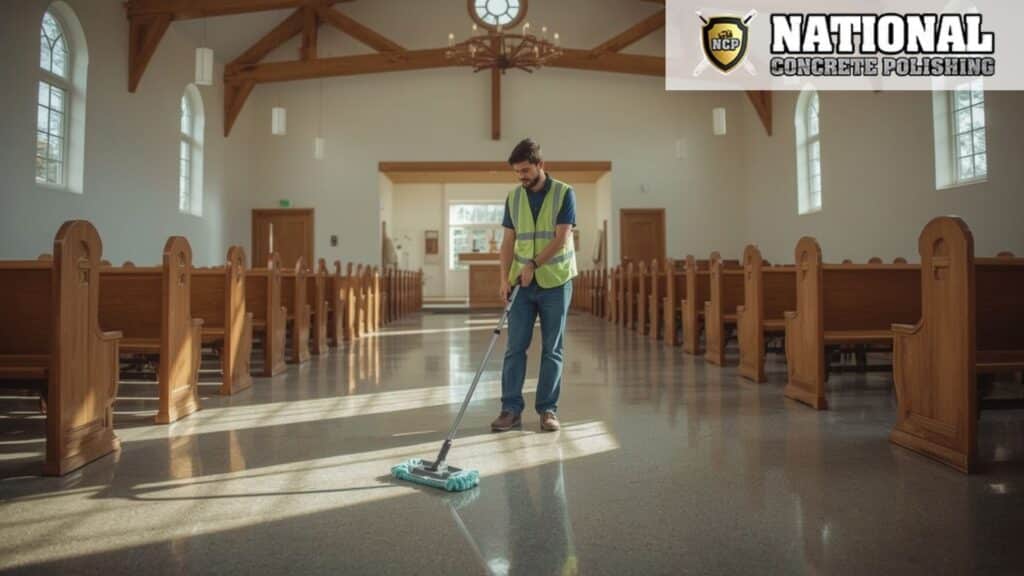
Initial installation costs for polished concrete are typically significantly lower than premium flooring materials such as natural stone, high-quality tile, or hardwood flooring. When existing concrete slabs can be polished in place, the cost savings become even more dramatic since demolition and disposal of old flooring materials is eliminated. This cost advantage allows congregations to allocate more resources toward other facility improvements or mission-related activities.
The longevity of polished concrete creates substantial long-term value that becomes more apparent over time. While other flooring materials may require replacement every 10-20 years, properly installed and maintained polished concrete can last 50 years or more without major restoration. This extended lifespan eliminates multiple replacement cycles and their associated costs, disruptions, and waste generation.
Maintenance cost savings accumulate significantly over the life of polished concrete floors. The elimination of expensive cleaning contracts, specialized maintenance equipment, and periodic refinishing procedures reduces ongoing operational expenses. Volunteer maintenance becomes more feasible when floor care requires only basic supplies and simple procedures, further reducing costs for labor-intensive congregations.
Energy efficiency benefits contribute additional cost savings through reduced HVAC expenses. The thermal mass and reflective properties of polished concrete help maintain consistent indoor temperatures and improve lighting efficiency, reducing utility costs throughout the year. In South Florida’s climate, these savings can be particularly significant during peak cooling seasons.
Insurance and liability considerations also favor polished concrete installations. The slip-resistant properties of properly finished polished concrete, combined with its durability and stain resistance, can contribute to reduced liability exposure and potentially lower insurance premiums. The elimination of carpet-related allergen and moisture concerns may also benefit congregants with health sensitivities.
When religious facilities partner with experienced contractors like National Concrete Polishing, they gain access to professional expertise that ensures optimal results and maximum value from their flooring investment. Professional installation and proper preparation techniques are crucial for achieving the durability and performance that make polished concrete such an excellent long-term value for religious facilities.
Frequently Asked Questions
How long does polished concrete installation take in a religious facility?
Installation timelines vary based on facility size and existing conditions, but most religious facilities can expect 3-7 days for complete installation. The process can often be scheduled around worship services and activities to minimize disruption to congregation activities.
Is polished concrete slippery when wet?
Properly finished polished concrete actually provides excellent slip resistance, even when wet. The polishing process creates microscopic texture that enhances traction while maintaining the smooth, attractive appearance.
Can polished concrete be installed over existing flooring?
In most cases, existing flooring must be removed to access the concrete substrate. However, this removal process is typically quick and cost-effective, and the ability to polish existing concrete slabs often results in overall cost savings.
How does polished concrete affect acoustics in worship spaces?
While polished concrete is a hard surface, proper acoustic design can incorporate sound-absorbing elements in walls and ceilings to achieve optimal acoustics for worship and music. Many congregations find the improved speech intelligibility beneficial for services.
What happens if the floor gets damaged or stained?
Minor damage can often be repaired through spot polishing, while stains typically wipe away easily from the non-porous surface. Severe damage can be addressed through repolishing affected areas without replacing the entire floor.
Are there any design limitations with polished concrete?
Modern polishing techniques offer extensive design flexibility including colors, patterns, textures, and decorative elements. Most design goals can be achieved while maintaining the practical benefits of polished concrete.
How does polished concrete perform during Florida’s hurricane season?
Polished concrete is highly resistant to water damage and can be quickly cleaned and restored after flooding events. This resilience makes it an excellent choice for facilities that may serve as emergency shelters.
What maintenance supplies are needed for polished concrete floors?
Basic maintenance requires only dust mops, neutral pH cleaners, and standard janitorial supplies. No specialized equipment or expensive cleaning products are necessary for routine maintenance.
Conclusion
Polished concrete represents an ideal flooring solution for South Florida places of worship seeking to balance beauty, functionality, and fiscal responsibility. The unique combination of durability, low maintenance requirements, and design flexibility makes polished concrete church South Florida installations particularly well-suited to the region’s climate challenges and the diverse needs of religious congregations.
The long-term value proposition of polished concrete extends far beyond initial cost savings. Religious facilities that choose polished concrete flooring South Florida installations benefit from decades of reliable performance, minimal maintenance requirements, and sustained aesthetic appeal that enhances worship experiences while supporting responsible stewardship of congregational resources.
As religious organizations continue to seek ways to maximize their facility investments while minimizing ongoing operational costs, polished concrete emerges as a clear choice that supports both practical needs and spiritual goals. The combination of beauty, durability, and affordability allows congregations to create welcoming, functional spaces that serve their communities effectively for generations to come.
For South Florida religious facilities considering flooring options, polished concrete offers a proven solution that addresses the region’s unique environmental challenges while providing the aesthetic quality and functional performance that sacred spaces deserve. By choosing experienced professionals like National Concrete Polishing for installation, congregations can ensure optimal results that will serve their communities faithfully for decades to come.
source https://nationalconcretepolishing.net/polished-concrete-church-south-florida/


No comments:
Post a Comment