Shot blasting surface preparation stands as one of the most critical processes in concrete floor preparation, particularly in Florida’s demanding commercial and industrial environments. The International Concrete Repair Institute (ICRI) has established comprehensive standards that govern how shot blasting techniques must be implemented to ensure optimal adhesion, durability, and performance of concrete flooring systems. Understanding and adhering to these standards is not merely a best practice—it’s essential for delivering projects that meet both regulatory requirements and client expectations.
Florida’s unique climate presents distinct challenges for concrete surface preparation. The state’s high humidity, frequent temperature fluctuations, and coastal salt exposure create conditions that demand precise adherence to ICRI protocols. Shot blasting, when executed according to these standards, provides the mechanical surface preparation necessary to achieve the concrete surface profile (CSP) ratings required for various flooring applications, from epoxy coatings to polished concrete systems.
The ICRI standards for shot blasting encompass multiple critical factors including surface profile achievement, contamination removal, and quality control measures. These guidelines ensure that concrete surfaces receive appropriate mechanical preparation to promote optimal bonding of subsequent materials. Professional contractors must understand not only the technical specifications but also the practical application of these standards in real-world Florida projects.
Modern shot blasting equipment has evolved significantly, incorporating advanced dust collection systems, variable blast intensity controls, and precision monitoring capabilities. These technological improvements enable contractors to achieve consistent ICRI-compliant results while maintaining environmental compliance and worker safety standards. The integration of these systems is particularly important in Florida’s regulated environment, where air quality and environmental protection requirements are strictly enforced.
Proper implementation of ICRI shot blasting standards requires comprehensive understanding of surface profile classifications, equipment calibration procedures, and quality assurance protocols. Contractors must be equipped to assess existing concrete conditions, select appropriate blast media, and execute the preparation process to achieve specified CSP ratings consistently across entire project areas.
Key Takeaways
Understanding ICRI standards for shot blasting surface preparation is fundamental to successful concrete flooring projects in Florida. The following key points highlight the essential aspects that contractors must master:
- ICRI Concrete Surface Profile (CSP) ratings range from CSP-1 through CSP-9, with shot blasting typically achieving CSP-3 through CSP-7 depending on equipment settings and blast media selection. Proper CSP achievement is critical for ensuring adequate mechanical bonding of subsequent coating systems.
- Shot blasting techniques must incorporate proper equipment selection, including consideration of blast wheel configuration, shot size and hardness, and traverse speed to achieve uniform surface preparation across the entire project area.
- Environmental compliance in Florida requires implementation of comprehensive dust collection systems that meet or exceed EPA and state environmental regulations, particularly important in coastal areas with sensitive ecosystems.
- Quality control procedures must include pre-blast surface assessment, real-time monitoring during blasting operations, and post-blast verification using standardized ICRI surface profile comparators and testing methods.
- Equipment maintenance and calibration protocols ensure consistent performance and compliance with ICRI standards throughout project execution, preventing costly rework and ensuring optimal surface preparation results.
- Safety protocols specific to shot blasting operations must address noise control, dust exposure prevention, and proper personal protective equipment requirements as outlined in OSHA guidelines and ICRI recommendations.
- Surface contamination removal capabilities of shot blasting include effective elimination of curing compounds, sealers, coatings, and surface laitance that could compromise adhesion of new flooring systems.
- Documentation requirements for ICRI compliance include detailed surface profile measurements, photographic documentation, and comprehensive quality assurance records that demonstrate adherence to specified standards throughout the project timeline.
Overview of ICRI Shot Blasting Standards
The International Concrete Repair Institute has developed comprehensive guidelines that establish the framework for professional shot blasting surface preparation. These standards address every aspect of the process, from initial surface assessment through final quality verification. ICRI Technical Guideline 310.2R provides detailed specifications for surface preparation methods, including shot blasting parameters and acceptable surface profile ranges for various applications.

ICRI standards classify concrete surface profiles using a standardized scale that enables consistent communication between contractors, specifiers, and project owners. The CSP system provides visual and tactile references that correspond to specific surface roughness measurements, ensuring that shot blasting operations achieve the precise profile required for optimal coating adhesion. This standardization is particularly valuable in Florida’s diverse market, where projects range from warehouse floors to marine facilities with varying performance requirements.
The standards also establish protocols for equipment selection and operation. Shot blasting machines must be capable of producing consistent, uniform surface preparation while maintaining appropriate production rates. ICRI guidelines specify requirements for blast wheel configuration, shot media characteristics, and traverse patterns that ensure complete surface coverage without creating undesirable surface irregularities or damage to the concrete substrate.
Quality assurance procedures outlined in ICRI standards require systematic documentation and verification at each stage of the shot blasting process. These procedures include pre-blast surface condition assessment, real-time monitoring during operations, and post-blast verification using standardized measurement techniques. The standards emphasize the importance of maintaining consistent surface profile across the entire project area, which is critical for achieving uniform performance of subsequent flooring systems.
Equipment Requirements and Shot Blasting Techniques
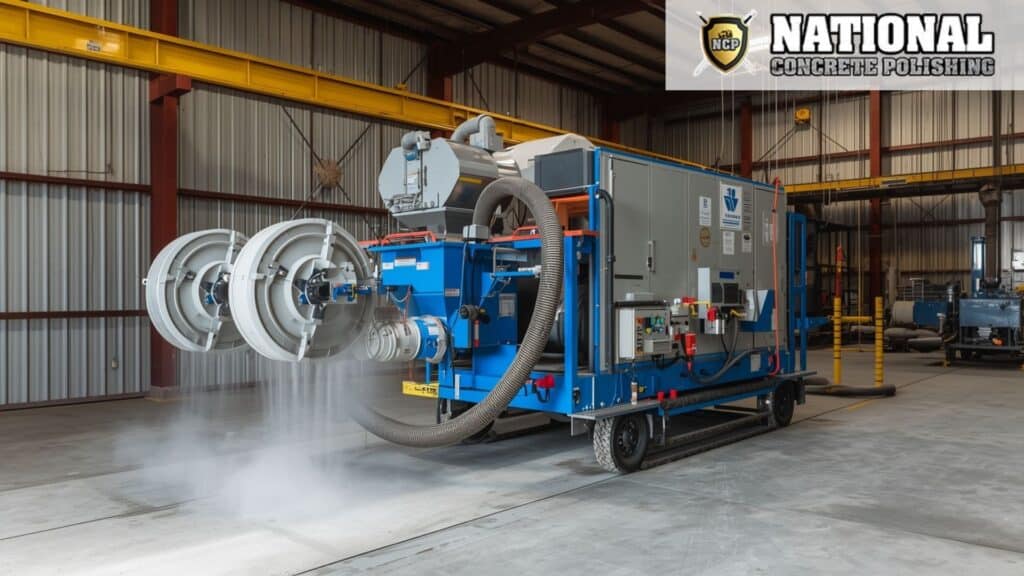
Professional shot blasting equipment must meet specific performance criteria to achieve ICRI-compliant surface preparation consistently. Modern shot blasting machines incorporate multiple blast wheels that propel steel shot at high velocity against the concrete surface, creating the mechanical abrasion necessary to achieve specified surface profiles. The selection of appropriate equipment depends on project requirements, including desired CSP rating, production rate requirements, and site-specific constraints.
Blast wheel configuration plays a crucial role in determining surface preparation quality and efficiency. High-performance machines typically feature multiple blast wheels arranged to provide overlapping coverage patterns, ensuring uniform surface preparation without streaking or inconsistent profile development. The rotational speed of blast wheels, combined with traverse speed of the machine, determines the intensity of surface preparation and must be calibrated to achieve specified CSP ratings consistently.
Shot media selection significantly impacts both surface preparation quality and operational efficiency. Steel shot is the most commonly used media for concrete surface preparation, available in various sizes and hardness levels. Larger shot sizes generally produce deeper surface profiles, while smaller shot creates finer textures suitable for lighter coating systems. The condition and recycling rate of shot media must be monitored continuously to maintain consistent performance throughout the project.
Dust collection systems integrated with shot blasting equipment are essential for environmental compliance and worker safety. High-efficiency systems capture airborne particles generated during blasting operations, preventing environmental contamination and maintaining visibility for equipment operators. In Florida’s regulated environment, dust collection systems must meet stringent performance standards and undergo regular maintenance to ensure continued compliance.
Machine traverse patterns and overlap procedures ensure complete surface coverage and uniform profile development. Systematic planning of blast patterns prevents missed areas and excessive overlap that could create surface irregularities. Professional operators must maintain consistent traverse speeds and overlap percentages to achieve the uniform surface preparation required by ICRI standards.
Surface Profile Classification and Quality Control
ICRI surface profile classification provides the foundation for specifying and verifying shot blasting results. The CSP system ranges from CSP-1, representing minimal surface texture, through CSP-9, indicating deep mechanical preparation suitable for heavy-duty applications. Shot blasting typically achieves profiles in the CSP-3 through CSP-7 range, making it suitable for most commercial and industrial flooring applications encountered in Florida markets.

CSP-3 profiles, characterized by light sandblasting texture, are appropriate for thin-film coatings and sealers that require moderate mechanical bonding. This profile level is commonly specified for retail environments, office buildings, and light commercial applications where minimal surface roughness is desired while still providing adequate adhesion for protective coatings.
CSP-4 and CSP-5 profiles represent moderate surface preparation suitable for most epoxy flooring systems, urethane coatings, and decorative concrete applications. These profile levels provide the optimal balance between coating adhesion and surface smoothness, making them the most frequently specified requirements for Florida commercial and industrial projects.
Deeper profiles, including CSP-6 and CSP-7, are necessary for heavy-duty industrial applications, thick coating systems, and environments subject to severe service conditions. These deeper profiles provide enhanced mechanical bonding capability essential for chemical processing facilities, manufacturing environments, and marine applications common in Florida’s industrial sectors.
Quality control procedures for surface profile verification include both visual comparison using ICRI reference standards and quantitative measurement using surface profile gauges. Visual comparison involves matching the prepared surface texture to standardized reference chips that represent each CSP level. This method provides immediate feedback during operations and enables real-time adjustments to achieve specified requirements.
Quantitative measurement using mechanical or digital surface profile gauges provides precise numerical verification of surface roughness. These measurements are essential for documenting compliance with project specifications and creating permanent records for quality assurance purposes. Regular calibration of measurement equipment ensures accuracy and reliability of verification procedures.
Environmental Compliance and Safety Protocols
Environmental compliance requirements for shot blasting operations in Florida encompass air quality protection, waste management, and noise control measures. The state’s environmental regulations, combined with federal EPA requirements, establish strict standards for airborne particle emissions and waste disposal that must be integrated into shot blasting procedures. Professional contractors must implement comprehensive environmental management systems that ensure full compliance throughout project execution.
Dust collection and filtration systems represent the primary environmental control measure for shot blasting operations. High-efficiency particulate air (HEPA) filtration systems are typically required to achieve the particle capture rates necessary for environmental compliance. These systems must be properly sized for the shot blasting equipment capacity and maintained according to manufacturer specifications to ensure continued effectiveness.
Air quality monitoring procedures verify the effectiveness of dust control measures and ensure compliance with ambient air quality standards. Continuous monitoring during operations provides real-time feedback on system performance and enables immediate corrective action if emission levels approach regulatory limits. Documentation of air quality measurements is essential for demonstrating environmental compliance to regulatory agencies.
Waste management protocols address the handling and disposal of spent shot media, collected dust, and removed surface materials. Proper characterization of waste materials is necessary to determine appropriate disposal methods and ensure compliance with hazardous waste regulations. In Florida’s marine environment, particular attention must be paid to preventing contamination of water resources and sensitive coastal ecosystems.
Safety protocols for shot blasting operations address multiple hazards including noise exposure, dust inhalation, and mechanical injury risks. Comprehensive personal protective equipment (PPE) requirements include respiratory protection, hearing protection, and protective clothing appropriate for the specific hazards present. Regular safety training and equipment maintenance programs ensure that safety standards are maintained throughout project execution.
Noise control measures are particularly important in urban Florida environments where shot blasting operations may impact surrounding businesses and residential areas. Sound attenuation barriers, equipment modifications, and operational scheduling can be implemented to minimize noise impacts while maintaining productivity and quality standards.
Project Planning and Implementation Strategies
Successful implementation of ICRI-compliant shot blasting requires comprehensive project planning that addresses site conditions, equipment requirements, and scheduling considerations specific to Florida’s operating environment. Pre-project assessment must evaluate existing concrete conditions, identify potential challenges, and develop appropriate preparation strategies that ensure compliance with ICRI standards while meeting project timeline and budget requirements.
Site condition assessment includes evaluation of concrete strength, surface contamination levels, and existing coating or sealer presence that may affect shot blasting effectiveness. Florida’s climate can result in concrete surfaces with high moisture content, particularly in coastal areas, requiring extended drying periods or specialized moisture mitigation techniques to achieve optimal results. Comprehensive assessment enables development of appropriate preparation strategies and realistic project scheduling.
Equipment mobilization and setup procedures must account for site access limitations, power requirements, and environmental control needs. Shot blasting equipment requires significant electrical power and may necessitate temporary power installations or generator systems for remote locations. Dust collection systems require adequate space for equipment placement and proper ventilation for effective operation.
Production planning involves calculating realistic shot blasting production rates based on specified surface profile requirements, concrete conditions, and equipment capabilities. Florida’s high humidity and temperature conditions can affect equipment performance and may require adjustments to standard production estimates. Accurate production planning ensures adequate project scheduling and resource allocation.
Quality assurance planning establishes procedures for monitoring and documenting compliance with ICRI standards throughout the project. This includes development of inspection schedules, testing protocols, and documentation requirements that provide comprehensive records of surface preparation quality. National Concrete Polishing has developed systematic quality assurance procedures that ensure consistent compliance with ICRI standards across all shot blasting projects.
Contingency planning addresses potential challenges including equipment breakdowns, weather delays, and unexpected site conditions that could impact project execution. Florida’s weather patterns, particularly during hurricane season, require flexible scheduling and backup procedures to maintain project momentum while ensuring safety and quality standards.
Frequently Asked Questions
What CSP rating is typically required for epoxy flooring systems in Florida commercial applications?
Most epoxy flooring systems in Florida commercial environments require CSP-4 or CSP-5 surface profiles to ensure adequate mechanical bonding. The specific requirement depends on the epoxy system thickness, expected service conditions, and manufacturer recommendations. Shot blasting can reliably achieve these profile levels with proper equipment selection and operational parameters.
How does Florida’s humidity affect shot blasting surface preparation quality?
High humidity can impact shot blasting effectiveness by causing moisture condensation on prepared surfaces and affecting dust collection system performance. Proper environmental controls, including dehumidification when necessary, ensure optimal surface preparation quality. Surface moisture testing should be conducted before and after shot blasting to verify acceptable conditions for subsequent coating application.
What documentation is required to demonstrate ICRI compliance for shot blasting projects?
ICRI compliance documentation includes surface profile measurements, photographic records, equipment calibration certificates, and quality control test results. Comprehensive documentation provides verification of specification compliance and creates permanent records for warranty and maintenance purposes.
How often should shot blasting equipment be calibrated to maintain ICRI compliance?
Shot blasting equipment should be calibrated at the beginning of each project and periodically during extended operations to ensure consistent performance. Calibration procedures include verification of blast intensity, traverse speed, and surface profile achievement using standardized test procedures.
What are the typical production rates for ICRI-compliant shot blasting in Florida?
Production rates vary based on specified surface profile requirements, concrete conditions, and equipment capabilities, typically ranging from 1,000 to 3,000 square feet per hour. Florida’s climate conditions and environmental compliance requirements may affect production rates compared to other regions.
Can shot blasting remove existing sealers and coatings effectively?
Shot blasting is highly effective for removing most existing sealers, coatings, and surface contaminants while simultaneously creating the required surface profile. The aggressive mechanical action ensures complete removal and proper surface preparation for new coating systems.
What safety equipment is required for shot blasting operations in Florida?
Required safety equipment includes respiratory protection, hearing protection, protective clothing, and safety glasses. Additional safety measures may be necessary based on site-specific conditions and environmental requirements.
How do ICRI standards compare to other surface preparation specifications?
ICRI standards provide the most comprehensive and widely accepted guidelines for concrete surface preparation, offering detailed technical specifications and quality control procedures that exceed most other industry standards. Compliance with ICRI standards ensures optimal surface preparation quality and long-term coating performance.
Conclusion
Meeting ICRI standards for shot blasting surface preparation in Florida requires comprehensive understanding of technical requirements, environmental compliance, and quality control procedures. The successful implementation of these standards ensures optimal concrete surface preparation that provides the foundation for durable, high-performance flooring systems capable of withstanding Florida’s demanding environmental conditions.
Professional contractors must invest in appropriate equipment, training, and quality assurance systems to achieve consistent ICRI compliance across all projects. The integration of modern shot blasting technology with proven operational procedures enables efficient production while maintaining the exacting standards required for commercial and industrial applications. National Concrete Polishing has demonstrated that systematic adherence to ICRI standards, combined with comprehensive project planning and quality control procedures, delivers superior results for Florida’s diverse concrete flooring market.
The company’s commitment to technical excellence and regulatory compliance ensures that every shot blasting project meets or exceeds industry standards while providing exceptional value for clients. The future of shot blasting surface preparation will continue to evolve with advancing technology and refined standards. Contractors who maintain current knowledge of ICRI requirements and invest in state-of-the-art equipment and training will be positioned to deliver the highest quality surface preparation services in Florida’s competitive marketplace, ensuring long-term success and client satisfaction through consistent adherence to professional standards.
source https://nationalconcretepolishing.net/shot-blasting-standards/


No comments:
Post a Comment