South Florida’s bustling retail landscape demands flooring solutions that can withstand heavy foot traffic while maintaining an attractive, professional appearance. Shopping centers across Miami-Dade, Broward, and Palm Beach counties face unique challenges when it comes to flooring durability, maintenance costs, and aesthetic appeal. The region’s humid subtropical climate, combined with millions of annual visitors and residents, creates demanding conditions for commercial flooring systems.
Concrete polishing has emerged as the premier flooring solution for large-scale shopping centers throughout South Florida. This innovative approach transforms ordinary concrete into a stunning, mirror-like surface that combines exceptional durability with striking visual appeal. Unlike traditional flooring materials that require frequent replacement and costly maintenance, polished concrete offers a long-term investment that continues to perform year after year.
The concrete polishing process involves mechanically grinding and polishing concrete surfaces using progressively finer diamond abrasives. This multi-step procedure creates an extremely dense, non-porous surface that resists stains, moisture, and wear while providing superior light reflectivity. For shopping centers managing thousands of square feet of retail space, this translates to significant cost savings and improved customer experiences.
National Concrete Polishing has established itself as a leader in large-scale commercial projects throughout South Florida. Their expertise in handling complex shopping center installations ensures that retail environments maintain their operational schedules while receiving world-class flooring upgrades. The company’s comprehensive approach addresses everything from initial surface preparation to final protective treatments, delivering results that exceed industry standards.
Modern shopping centers require flooring solutions that support diverse retail environments, from high-end boutiques to busy food courts. Concrete polishing projects in South Florida must account for varying traffic patterns, spill resistance requirements, and aesthetic preferences across different retail zones. The versatility of polished concrete allows for customized approaches that meet these diverse needs while maintaining consistency throughout the facility.
Key Takeaways
Cost-Effective Long-Term Solution: Concrete polishing mall South Florida projects deliver exceptional return on investment through reduced maintenance costs and extended floor life. Unlike traditional flooring materials that require replacement every 5-10 years, properly installed polished concrete can last decades with minimal maintenance requirements.
Enhanced Safety and Performance: Polished concrete surfaces provide superior slip resistance when properly textured, meeting OSHA safety standards for commercial environments. The dense surface structure eliminates dust generation and reduces allergen accumulation, creating healthier indoor air quality for shoppers and employees.
Improved Light Reflectivity: High-gloss polished concrete can increase light reflectivity by up to 30%, reducing lighting costs and creating brighter, more inviting retail spaces. This enhanced illumination improves product visibility and creates a more pleasant shopping experience.
Rapid Installation Process: Professional concrete polishing South Florida teams can complete large shopping center projects in phases, minimizing disruption to retail operations. The process typically requires 3-5 days per section, allowing stores to remain operational during installation.
Customizable Aesthetic Options: Modern polishing techniques offer various finish levels, from satin to high-gloss, along with decorative options including staining, scoring, and aggregate exposure. This flexibility allows shopping centers to create unique branding opportunities and zone differentiation.
Environmental Sustainability: Concrete polishing utilizes existing concrete substrates, eliminating waste associated with floor removal and replacement . The process requires no harmful chemicals or coatings, contributing to LEED certification goals and environmental responsibility initiatives .
Climate Resilience: South Florida’s humid conditions and temperature fluctuations require flooring materials that resist moisture intrusion and thermal expansion. Polished concrete’s stable properties make it ideal for the region’s challenging climate conditions.
Overview of Large-Scale Concrete Polishing for Shopping Centers
Large-scale concrete polishing projects in South Florida shopping centers represent a significant undertaking that requires careful planning, specialized equipment, and experienced professionals. These projects typically encompass tens of thousands of square feet across multiple retail zones, each with unique requirements and challenges. The scope of work extends beyond simple floor polishing to include comprehensive surface preparation, repair work, and customized finishing approaches.
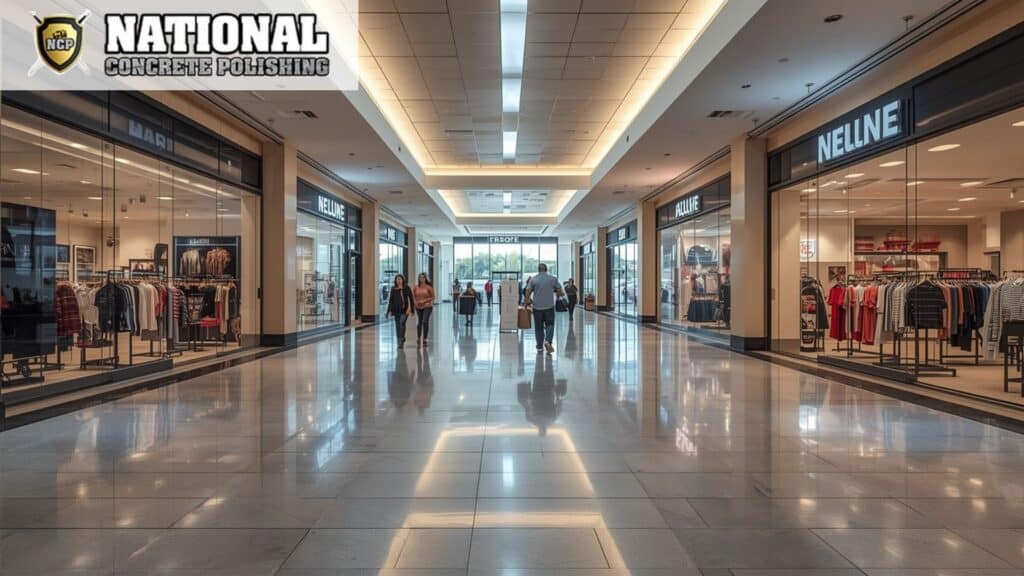
The initial assessment phase involves detailed evaluation of existing concrete conditions, including surface integrity, previous coatings or treatments, and structural considerations. Many shopping centers built in the 1980s and 1990s feature concrete slabs that were never intended for exposure, requiring extensive preparation work to achieve optimal polishing results. This preparation may include crack repair, joint sealing, and surface leveling to create the ideal substrate for polishing.
Project scheduling becomes critical in retail environments where business continuity is paramount. Successful concrete polishing mall South Florida projects utilize phased approaches that allow portions of the shopping center to remain operational while work progresses in designated areas. This requires careful coordination with property management, individual retailers, and security teams to maintain safe, accessible pathways for customers and deliveries.
The polishing process itself involves multiple stages, beginning with coarse diamond grinding to remove surface imperfections and progress through increasingly fine grits to achieve the desired finish level. Each stage requires thorough cleaning and inspection to ensure optimal results. The final stages may include densifier application to harden the surface and protective treatments to enhance stain resistance and longevity.
Technical Specifications and Process Requirements
The technical requirements for concrete polishing mall South Florida projects demand sophisticated equipment and specialized expertise. Industrial-grade planetary grinders capable of covering 1,000-3,000 square feet per day are essential for maintaining project timelines while achieving consistent results. These machines utilize multiple diamond grinding heads that rotate in opposite directions, ensuring uniform surface preparation and eliminating swirl marks that can compromise the final appearance.
Diamond tooling selection plays a crucial role in project success, with different bond types and grit sequences required for varying concrete hardness levels. South Florida’s concrete typically ranges from medium to hard due to local aggregate compositions and curing conditions. Professional contractors maintain extensive inventories of diamond tooling to address these variations and adapt to changing conditions throughout large projects.
Dust control systems are mandatory for shopping center environments, protecting both workers and the public from silica exposure . Advanced vacuum systems integrated with grinding equipment capture 99% of generated dust, maintaining air quality standards and preventing contamination of adjacent retail spaces. This equipment requires regular maintenance and filter replacement to ensure optimal performance throughout extended projects.
Surface densification represents a critical step in the polishing process, involving the application of chemical hardeners that penetrate the concrete and react with calcium hydroxide to form additional calcium silicate hydrate. This reaction increases surface density by up to 40% and significantly improves abrasion resistance. The timing and application method of densifiers must be carefully controlled to achieve uniform penetration and optimal results.
Quality control protocols throughout the polishing process include regular gloss measurements, slip resistance testing, and visual inspections to ensure consistency across large areas. Professional contractors utilize calibrated gloss meters to verify that finish levels meet specifications, typically ranging from 30-50 gloss units for commercial retail applications. These measurements help identify areas requiring additional attention and ensure uniform appearance throughout the facility.
The final protective treatment phase may include stain-resistant sealers or guards that provide additional protection against spills and staining. These products must be carefully selected to maintain the desired appearance while providing appropriate protection for the specific retail environment. Food court areas may require different protection levels compared to general circulation areas or high-end retail zones.
Benefits and Advantages for Retail Environments
The advantages of concrete polishing South Florida shopping centers extend far beyond initial cost savings to encompass long-term operational benefits that impact every aspect of retail facility management. The exceptional durability of polished concrete eliminates the frequent replacement cycles associated with traditional flooring materials, reducing disruption to retail operations and minimizing long-term capital expenditures.

Maintenance requirements for polished concrete are significantly reduced compared to alternative flooring systems. Daily cleaning involves simple dust mopping and occasional damp mopping with neutral pH cleaners. The non-porous surface prevents stain penetration and eliminates the need for waxing, stripping, or refinishing procedures that can disrupt retail operations and generate unpleasant odors.
The improved light reflectivity of polished concrete creates brighter, more inviting retail environments that enhance product visibility and customer experience. Studies indicate that increased lighting levels can improve sales performance by up to 15% in retail environments . The mirror-like surface of high-gloss polished concrete maximizes the effectiveness of existing lighting systems while reducing energy consumption.
Acoustic properties of polished concrete contribute to more comfortable shopping environments by reducing sound transmission and eliminating the hollow sounds associated with raised flooring systems. The solid, dense surface provides excellent sound dampening while maintaining the ability to incorporate decorative elements and wayfinding systems.
Indoor air quality improvements result from the elimination of dust generation and reduced allergen accumulation on smooth, non-porous surfaces. This is particularly important in enclosed shopping environments where air circulation may be limited. The absence of adhesives, waxes, and chemical treatments further contributes to healthier indoor environments.
Thermal properties of polished concrete provide natural temperature regulation that can reduce HVAC costs in South Florida’s challenging climate. The thermal mass of concrete helps moderate temperature fluctuations, while the reflective surface reduces heat absorption from lighting systems. These properties contribute to more stable indoor conditions and reduced energy consumption.
Project Planning and Implementation Strategies
Successful implementation of large-scale concrete polishing projects in South Florida shopping centers requires comprehensive planning that addresses logistical challenges, operational requirements, and stakeholder coordination. The planning phase typically begins 3-6 months before project commencement to allow adequate time for permits, tenant notifications, and resource allocation.
Site assessment and preparation represent critical early phases that determine project feasibility and scope requirements. Professional evaluation includes core sampling to assess concrete quality, moisture testing to identify potential issues, and structural analysis to ensure adequate load-bearing capacity for heavy equipment. This assessment phase helps identify potential complications and allows for proactive problem-solving before work begins.
Phasing strategies must balance project efficiency with operational requirements, creating detailed schedules that minimize disruption to individual retailers while maintaining safe customer access. Typical phasing approaches divide shopping centers into zones based on traffic patterns, tenant requirements, and logistical considerations. Each phase requires coordination with security, maintenance, and management teams to ensure smooth execution.
Equipment mobilization for large shopping center projects involves significant logistical coordination, including equipment delivery scheduling, power requirements assessment, and workspace allocation. Industrial polishing equipment requires substantial electrical capacity and may necessitate temporary power installations to support project requirements without impacting retail operations.
Quality assurance protocols throughout the implementation process include regular progress reviews, stakeholder communications, and performance testing to ensure project objectives are met. Daily progress reports keep all stakeholders informed of work status, upcoming activities, and any issues requiring attention. This communication helps maintain positive relationships with tenants and minimizes concerns about project impacts.
National Concrete Polishing brings extensive experience in managing complex shopping center projects throughout South Florida. Their proven project management systems ensure that timelines are met, quality standards are maintained, and stakeholder expectations are exceeded. The company’s local knowledge and established vendor relationships facilitate smooth project execution even in challenging retail environments.
Post-installation support includes comprehensive maintenance training for facility staff, warranty coverage, and ongoing technical support to ensure long-term performance. This support helps shopping center management teams maximize their investment while maintaining optimal floor conditions for years to come.
Cost Analysis and Return on Investment
The financial benefits of concrete polishing mall South Florida projects extend well beyond initial installation costs to encompass significant long-term savings in maintenance, replacement, and operational expenses. A comprehensive cost analysis reveals that polished concrete typically pays for itself within 3-5 years through reduced maintenance requirements and extended service life.
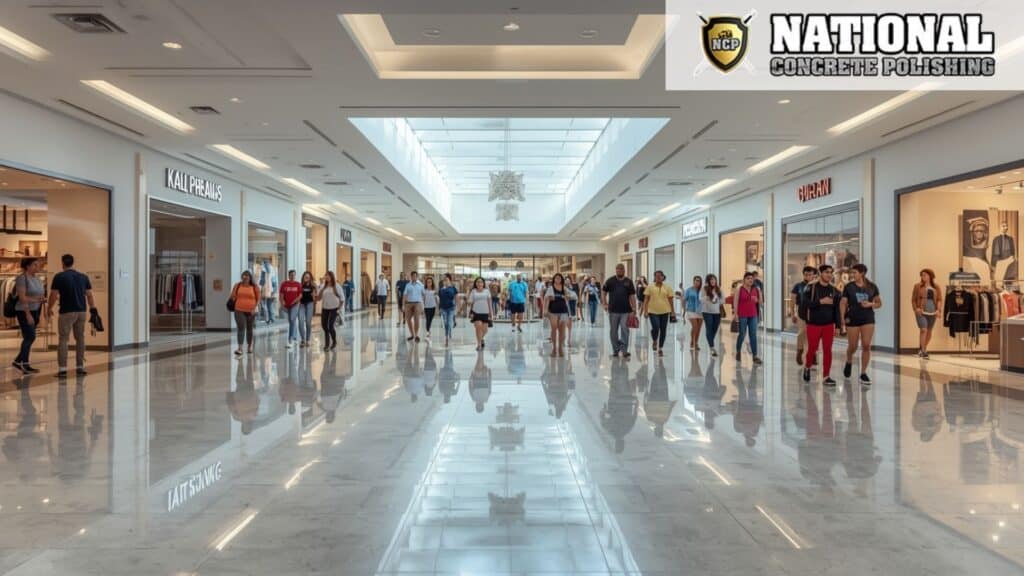
Initial installation costs for concrete polishing range from $3-8 per square foot depending on existing concrete conditions, desired finish level, and project complexity. While this may represent a higher upfront investment compared to some flooring alternatives, the total cost of ownership over 20-30 years is substantially lower than traditional flooring systems that require regular replacement and intensive maintenance.
Maintenance cost reductions represent the most significant ongoing savings, with polished concrete requiring 60-80% less maintenance than traditional flooring materials. The elimination of waxing, stripping, and refinishing procedures saves thousands of dollars annually in labor and material costs. Daily maintenance requirements are reduced to simple dust mopping and occasional damp cleaning, requiring minimal staff time and basic cleaning supplies.
Energy savings from improved light reflectivity can reduce lighting costs by 20-30% in retail environments. The enhanced brightness created by polished concrete surfaces allows for reduced lighting levels while maintaining optimal visibility for retail displays and customer navigation. These savings compound over time, contributing significantly to operational cost reductions.
Replacement cycle elimination provides substantial long-term savings compared to flooring materials that require replacement every 5-15 years. Properly installed and maintained polished concrete can last 30+ years without replacement, eliminating the disruption and expense of major flooring renovations. This longevity is particularly valuable in retail environments where business interruption costs can be substantial.
Property value enhancement through polished concrete installation can increase overall asset value and improve tenant satisfaction. Modern, attractive flooring contributes to positive first impressions and enhanced shopping experiences that can support higher rental rates and improved tenant retention. These factors contribute to improved property performance and investment returns.
Risk mitigation benefits include reduced slip-and-fall liability exposure through improved surface conditions and elimination of maintenance-related hazards. The consistent, level surface of polished concrete reduces trip hazards while providing appropriate slip resistance for safe pedestrian traffic. These safety improvements can reduce insurance costs and liability exposure.
Frequently Asked Questions
How long does concrete polishing take for a typical shopping center?
Large shopping center projects typically require 2-6 weeks depending on square footage and complexity. The process is usually completed in phases to minimize disruption to retail operations, with each phase taking 3-5 days to complete.
Can concrete polishing be performed while stores remain open?
Yes, experienced contractors like National Concrete Polishing can work in phases that allow most of the shopping center to remain operational. Proper planning and dust control measures ensure minimal impact on retail activities.
What maintenance is required for polished concrete in shopping centers?
Daily maintenance involves dust mopping and periodic damp mopping with neutral pH cleaners. No waxing, stripping, or refinishing is required, significantly reducing maintenance costs and labor requirements.
How does polished concrete perform in South Florida’s humid climate?
Polished concrete performs excellently in humid conditions due to its non-porous surface that resists moisture intrusion. The stable properties of concrete make it ideal for South Florida’s challenging climate conditions.
What slip resistance can be expected from polished concrete?
Properly finished polished concrete can achieve slip resistance ratings that meet or exceed OSHA requirements for commercial environments. Surface texture can be adjusted during polishing to optimize slip resistance for specific applications.
Can existing concrete floors be polished, or is new concrete required?
Most existing concrete floors can be successfully polished after proper evaluation and preparation. The condition of existing concrete determines the preparation requirements and achievable finish quality.
What are the environmental benefits of concrete polishing?
Concrete polishing utilizes existing substrates, eliminating waste from floor removal . The process requires no harmful chemicals and contributes to improved indoor air quality, supporting LEED certification goals .
How does the cost of polished concrete compare to other commercial flooring options?
While initial costs may be higher than some alternatives, the total cost of ownership over 20-30 years is typically 40-60% lower than traditional flooring systems due to reduced maintenance and replacement requirements.
Conclusion
Concrete polishing represents the optimal flooring solution for South Florida shopping centers seeking to balance aesthetic appeal, operational efficiency, and long-term value. The unique combination of durability, low maintenance requirements, and visual impact makes polished concrete an ideal choice for high-traffic retail environments throughout Miami-Dade, Broward, and Palm Beach counties.
The technical expertise required for successful large-scale concrete polishing projects demands experienced professionals who understand the complexities of retail environments and the specific challenges of South Florida’s climate. National Concrete Polishing has established a proven track record of delivering exceptional results while minimizing disruption to retail operations and exceeding client expectations.
The financial benefits of concrete polishing mall South Florida projects extend far beyond initial installation costs to encompass decades of reduced maintenance expenses, energy savings, and enhanced property values. Shopping center owners and managers who invest in professional concrete polishing can expect significant returns through improved operational efficiency and tenant satisfaction.
As South Florida’s retail landscape continues to evolve, the importance of creating attractive, functional, and cost-effective shopping environments becomes increasingly critical. Concrete polishing South Florida projects provide the foundation for successful retail operations while supporting long-term sustainability goals and operational excellence. The investment in professional concrete polishing services represents a strategic decision that benefits property owners, tenants, and customers for years to come.
source https://nationalconcretepolishing.net/concrete-polishing-mall-south-florida/


No comments:
Post a Comment