Unprotected concrete surfaces absorb spills 300% faster than sealed ones, leading to stains and structural damage. This vulnerability makes industrial-style countertops prone to wear, even in low-traffic kitchens. Modern homeowners seek solutions that balance aesthetics with long-term resilience.
Epoxy coatings transform raw concrete into durable, high-performance workspaces. These protective layers guard against scratches, moisture intrusion, and chemical exposure from daily use. UltraClear Epoxy’s advanced formula creates a bond stronger than standard sealants, ensuring lasting protection for heavily used surfaces.
South Florida’s humid climate accelerates deterioration in untreated materials. National Concrete Polishing specializes in tailored solutions for regional challenges, combining technical expertise with design-focused results. Their approach addresses both functional needs and visual preferences.
Key Takeaways
- Epoxy coatings enhance durability without compromising industrial design aesthetics
- Proper surface preparation ensures optimal adhesion and longevity
- Climate-specific formulations combat humidity-related damage in coastal regions
- Professional application minimizes air bubbles and uneven texture
- Regular maintenance preserves glossy finishes for decades
Understanding Concrete Countertops and Epoxy
Industrial surfaces demand protection that matches their structural integrity. While raw materials offer visual appeal, their practical limitations require innovative solutions for daily use.
What Epoxy Is and How It Works
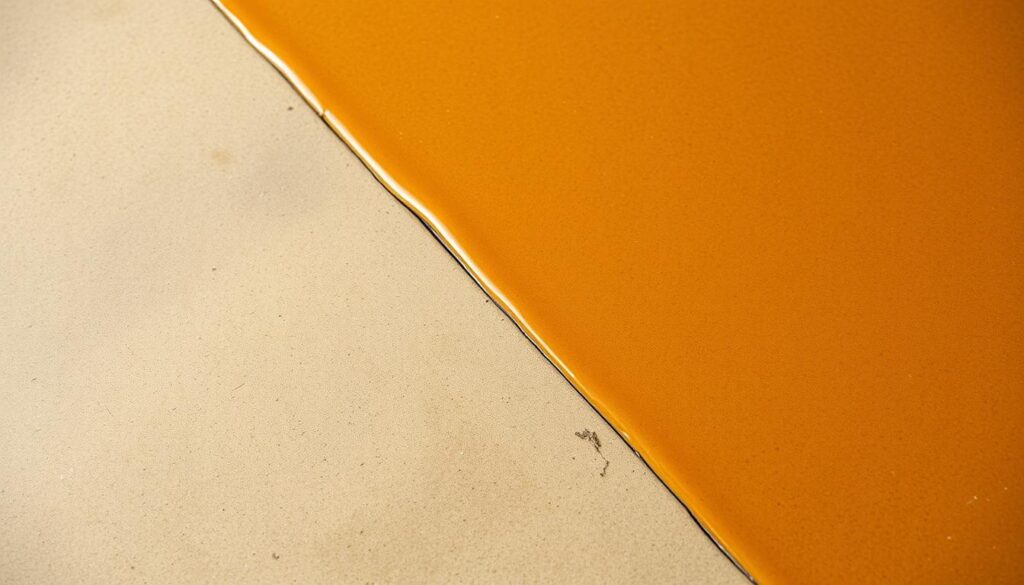
Epoxy resin combines two liquid components that trigger a chemical reaction when mixed. This process creates cross-linked polymers that harden into a glass-like coating. Premium formulations like Ultra Z Poxy achieve 100% solids content, eliminating solvents while maintaining low VOC levels.
The material’s self-leveling nature fills minor surface imperfections during application. At 1/8-inch thickness, high-quality resins create impact-resistant barriers without compromising clarity. These characteristics make epoxy ideal for stone and other porous substrates needing durable finishes.
Why Concrete Countertops Need a Protective Coat

Untreated surfaces absorb liquids 15 times faster than sealed ones, according to material science studies. Acidic substances like wine or citrus juices etch concrete through chemical reactions. Moisture penetration also leads to freeze-thaw damage in colder climates.
Food-safe epoxy coatings prevent bacterial growth in microscopic pores while resisting heat up to 135°F. Unlike traditional sealants, these systems provide scratch resistance comparable to quartz. Proper application creates non-porous finishes that maintain their glossy appearance through years of heavy use.
Can you put epoxy over concrete countertops
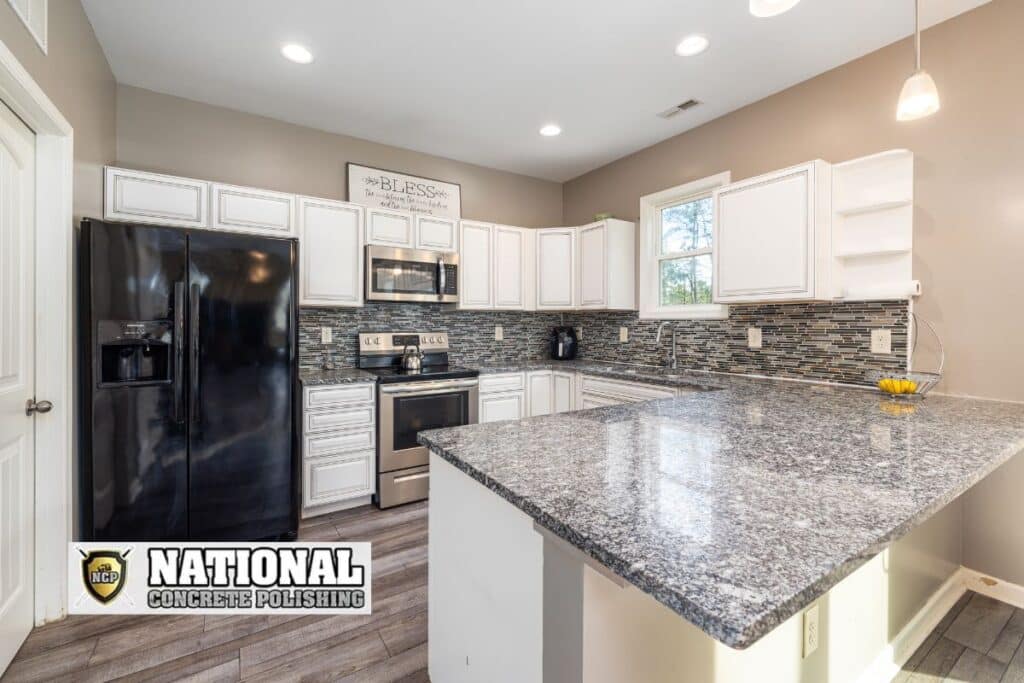
Modern resin technologies bridge the gap between raw concrete aesthetics and functional durability. High-performance coatings transform industrial surfaces into resilient workspaces while maintaining their signature rugged charm. Success depends on proper technique and climate-aware material selection.
Key Benefits and Precautions
Premium FX Poxy creates a glass-like barrier that resists scratches and heat up to 500°F. This product bonds permanently with porous materials when applied at 1/16-inch thickness. Food-safe formulas prevent bacterial growth without yellowing over time.
| Advantage | Consideration | Solution |
|---|---|---|
| Stain resistance | Surface imperfections show through | Grind concrete to 80-grit finish |
| Heat tolerance | Curing time varies | Maintain 72°F during application |
| Chemical protection | Humidity affects adhesion | Use dehumidifiers in rainy seasons |
Environmental Considerations in South Florida
Tropical climates demand UV-stable formulas to prevent resin degradation. Coastal homes require coatings that withstand salt air and 90% humidity levels. National Concrete Polishing uses climate-controlled tents to ensure proper curing during summer storms.
Morning applications work best to avoid afternoon thunderstorms disrupting the process. Opt for marine-grade products with inhibitors against moisture absorption. These adaptations prevent bubbling and ensure decade-long performance in harsh conditions.
Application, Maintenance, and Quality Assurance

Proper installation techniques determine how well protective finishes perform over time. Follow manufacturer guidelines and climate-specific strategies to achieve professional results that withstand daily use.
Step-by-Step Application Tips
- Clean surfaces with industrial degreasers and repair cracks using concrete filler
- Apply primer coat within 24 hours of surface preparation for optimal bonding
- Mix resin and hardener in exact ratios using calibrated measuring tools
- Spread top coat evenly using notched squeegees, working in 3×3-foot sections
Ensuring Long-Lasting Durability
Maintain 70-75°F temperatures during curing to prevent premature hardening. Use humidity meters to ensure levels stay below 85% for first-stage drying. Avoid placing heavy items for 72 hours after final application.
- Clean weekly with pH-neutral cleaners
- Reapply protective wax annually
- Inspect edges yearly for micro-cracks
Safety and Customer Support from National Concrete Polishing
This South Florida-based company provides:
- Text-chat support during business hours (9 AM – 5 PM EST)
- Climate-specific product recommendations
- Emergency technical assistance at +1 877-661-7562
Store unopened products in climate-controlled spaces and use within 6 months of delivery. Contact their resin specialists for guidance on metallic powders or custom finishes.
Conclusion
Durable surfaces combine practicality with modern design in today’s kitchens. Epoxy systems create resilient barriers against stains while preserving concrete’s industrial character. Multiple product options address specific needs – from heat-resistant formulas to coatings that mimic natural stone textures.
Proper application ensures maximum resistance to scratches and moisture. Select coatings based on your climate, usage patterns, and desired finish thickness. South Florida residents should prioritize humidity-resistant products and expert installation for lasting results.
National Concrete Polishing offers tailored solutions for countertop projects. Their team provides color options, technical guidance, and reliable delivery across coastal regions. Customer testimonials highlight transformed spaces that rival high-end materials at accessible price points.
Explore professional-grade epoxy products to protect your investment. Contact specialists today for personalized recommendations on coverage amounts and curing techniques. Quality coatings turn ordinary surfaces into low-maintenance workspaces built for daily use.
FAQ
How does a top coat enhance durability for concrete surfaces?
A high-quality top coat adds scratch resistance, seals pores, and protects against stains. Products like epoxy resin create a nonporous barrier, ideal for high-traffic areas. Proper application ensures long-term performance without yellowing.
Are metallic powders safe for food-prep surfaces?
When fully cured, epoxy with metallic powders is food-safe. Ensure the product meets FDA standards for indirect food contact. Avoid abrasive cleaners to maintain the finish and prevent surface damage.
What steps prevent air bubbles during application?
Mix resin slowly, use a heat gun to pop bubbles, and pour in thin layers. Work in a dust-free space with stable temperatures. Follow manufacturer instructions for curing times to avoid imperfections.
How long does delivery take for custom countertop materials?
Delivery windows vary by supplier. National Concrete Polishing typically processes orders within 3–5 business days. Expedited shipping is available for urgent projects—confirm timelines during checkout.
Can UV-resistant coatings withstand South Florida’s climate?
Yes. UV-stable epoxy formulas prevent yellowing and degradation from sunlight. Pairing them with sealants like Armor AR350 ensures protection against humidity and salt air common in coastal regions.
What maintenance keeps epoxy-coated countertops looking new?
Clean spills promptly with mild soap and water. Avoid harsh chemicals like bleach. Reapply a protective top coat every 2–3 years, depending on wear. Use trivets for hot items to prevent thermal shock.
Do color options affect the thickness of the coating?
Pigments or dyes don’t impact thickness, but additives like quartz flakes may require adjustments. Aim for a 1/8-inch layer for optimal coverage. Consult product guidelines for specific material requirements.
What warranties cover epoxy-coated countertops?
Many manufacturers offer 5–10 year warranties against peeling or cracking. National Concrete Polishing includes a lifetime craftsmanship guarantee. Review terms for coverage limits and damage exclusions.
How does epoxy compare to laminate or natural stone?
Epoxy offers superior customization and seamless finishes, unlike laminate seams. It’s more impact-resistant than natural stone but requires precise application. Cost varies based on design complexity and product quality.
Can existing damage affect the epoxy bonding process?
Yes. Cracks or chips must be repaired before application. Grind the surface to a smooth profile, fill imperfections with patching cement, and ensure full adhesion. Skipping prep risks delamination over time.
source https://nationalconcretepolishing.net/can-you-put-epoxy-over-concrete-countertops/


No comments:
Post a Comment